Man With Van in Primrose Hill

Our man with van in Primrose Hill service is set up for straightforward local moving, single-item transport and careful collection or delivery work across the area. It suits customers who need practical help with furniture, boxes, household contents or business items without arranging a full removal crew. The focus is on sensible loading, secure travel and clear communication, so the move is handled in a way that matches the size and pace of the job.
We cover a broad range of removal tasks, including man and van moves, domestic transport and planned collections that need an efficient vehicle rather than a large lorry. For larger household jobs, our home moves page gives a clearer picture of the sort of domestic relocation work we can support, while the main service here remains centred on flexible van-based removals for Primrose Hill customers.
If you are comparing options for a move, it helps to think about how much needs lifting, whether access is tight and whether any items need to be wrapped or separated before loading. Pricing and quotes can vary according to load size, distance and the amount of handling involved, so the most useful enquiry is usually one that explains the items and the collection and delivery points. Request a quotation when you are ready and we can take the next step.
Household moves handled with a van

Household transport often calls for more than just a vehicle. A well-planned van move needs the right loading order, protection for fragile pieces and enough time to move items safely through hallways, stairwells or narrow entrances. Our house removals service covers that kind of domestic work, and it sits naturally alongside Primrose Hill van moves when the job involves part-loads, smaller homes or carefully scheduled movement of furniture and personal effects.
Many customers need help with a mix of practical tasks rather than a single large relocation. That may include dismantled furniture, boxed belongings, kitchen items, suitcases, wardrobes or a few heavier items that are awkward to move alone. For those situations, the service remains focused on safe handling and sensible vehicle use, with attention to load security so items arrive in the same condition in which they were collected.
Where the move includes more than one address point or extra pieces that need clear separation, it is useful to set out the load in advance. A short written list is often enough to establish whether the job is suited to van transport, whether helpers will be needed for stairs or whether it should be treated as a fuller domestic move. If you already know the main pieces involved, a quick quotation request usually saves time later.
Commercial and office transport

Business customers often need transport that is more flexible than a standard courier but less involved than a large-scale relocation. Our commercial moves work can support office furniture, boxed stock, archive material, fixtures or equipment that needs careful loading and a direct route between locations. It is especially useful where access, timing or the number of items makes a smaller moving van the practical choice.
For workspaces, the emphasis is usually on avoiding disruption and keeping items in order. Desks, chairs, monitor stands, storage units and packed files may need to be moved in sequence so that the receiving address can be set up in a sensible order. In that context, the service is less about moving as much as possible and more about moving the right things in a way that keeps the working day manageable.
When preparing a commercial enquiry, it helps to say whether the move involves one room, a small office or a larger workspace split into separate loads. Mention any items that require special handling, such as fragile displays, computer equipment or awkwardly shaped furniture, because this affects the planning and the vehicle choice. If you need a broader view of the removal support available, the removal services page gives a useful overview.
Single items, furniture and smaller loads
Not every job is a full move. Sometimes the need is simply to collect one heavy item, deliver a new purchase or shift a few pieces that are difficult to manage in an ordinary car. That is where a van-based removal service can be especially useful, because it keeps the transport proportionate to the job and avoids paying for more capacity than you need. It can also suit customers who want a direct, practical solution for furniture transport.
Typical smaller-load work may include sofas, tables, beds, chests of drawers, boxed household contents or a set of items collected from more than one room. The key is to load each piece in a way that protects edges and surfaces, then arrange the van so heavier objects support lighter ones without pressure damage. Our furniture pick-up page reflects that type of work, especially when a collection needs to be moved on from a store, seller or storage point.
For these jobs, clear preparation can make the journey smoother. It is sensible to check dimensions, confirm whether items can be dismantled and identify anything with glass, loose parts or delicate finishes. If you only need a practical vehicle and lifting help for a compact move, say so in plain terms when you ask for a quote. The more precise the item list, the easier it is to match the van and the schedule to the work.
Packing, loading and protection

Good van removals depend on orderly packing as much as on transport itself. Lightweight boxes should be grouped sensibly, breakable contents kept apart from heavier objects, and loose items secured so they do not shift in transit. Our packing and unpacking services page suits customers who want extra help with that stage, whether the job is a local move in Primrose Hill or a collection that needs careful handling before it is loaded.
Protection matters because many removal problems come from movement inside the van rather than from the road distance. Blankets, padding, ties and stable stacking can reduce scuffs and impact, especially when there are mixed items in one load. Where possible, it is also useful to separate fragile belongings from bulky furniture before the move starts, because this makes the loading sequence more controlled and helps the unloading process stay efficient.
If you prefer to prepare the items yourself, keep boxes closed, label anything fragile and make sure the route to the van is as clear as possible. If you would rather have the planning simplified, tell us what needs packing, what is already boxed and what will need lifting at either end. A short enquiry with those details is usually enough to start a sensible quotation.
About Primrose Hill
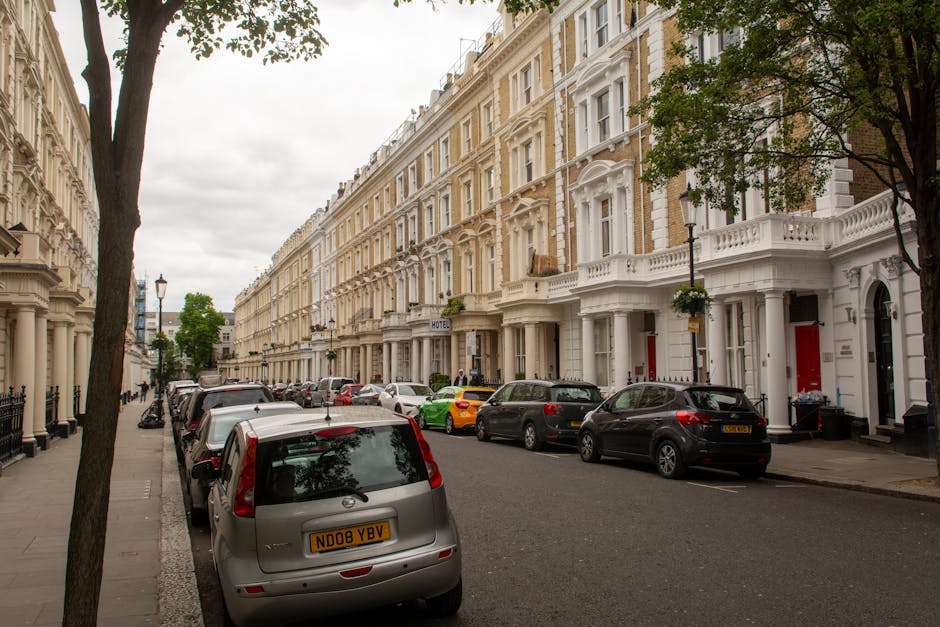
Primrose Hill is a well-known North London district on the northern edge of Regent’s Park, shaped by both a distinctive hill and a strong residential character. The hill itself is one of the London boroughs’ more recognisable viewpoints, rising above the surrounding streets and offering a broad prospect over the city. The area’s name is associated with the open space and the neighbourhood that developed around it, with tree-lined roads, period houses and a settled urban feel that contrasts with the busier districts nearby. Primrose Hill has long been valued for its green setting and its position between larger parts of Camden, Regent’s Park and Chalk Farm, making it a place where open land and dense city streets meet closely. The neighbourhood includes a mix of elegant terraces, mansion blocks and quieter side roads, many of which reflect late Victorian and later residential growth. The hill and surrounding streets are linked to the wider cultural life of north-west London, with easy access towards nearby theatres, markets, galleries and canal routes. Local life also connects with the open spaces around Regent’s Park and the waterways beyond, while the architecture in the district gives the area a notably consistent and attractive streetscape. Although it is compact, Primrose Hill has a strong identity, with its parkland, residential avenues and elevated views all contributing to its sense of place.
Choosing the right moving van

The right vehicle makes a noticeable difference to how smoothly a removal works. A van that is too small can create repeated trips and awkward repacking, while one that is too large may be harder to park or load efficiently. Our moving van and removal van pages are relevant where the main question is what kind of vehicle and load space best suits the job, especially for customers comparing small domestic moves with lighter commercial transport.
Vehicle choice depends on the shape of the load as well as the total volume. Long items, stacked boxes, soft furnishings and awkwardly shaped pieces all take up space differently, so it is worth thinking about the mix rather than only counting how many things there are. A compact van can still work well for a carefully arranged load, but larger furniture or mixed household contents may need a different setup to keep access and handling straightforward.
When you are ready, send a clear description of the items and the two addresses so the job can be matched to the right van and loading plan. If you need to compare transport options before deciding, the removals page gives a broader view of the type of work we handle. For a direct next step, request a quotation and include the details that matter most.
Removal support for different property sizes
Primrose Hill contains a mix of property types, and that variety affects the kind of moving support people tend to need. Smaller flats may involve awkward stair access and tighter parking conditions, while larger terraces or maisonettes can include heavier furniture, more boxes and a more extended loading process. The benefit of a van-led service is that it can be adapted to the size of the property without turning every job into a full house clearance exercise.
For customers moving from a compact flat, the work may centre on a few key items and a manageable number of boxes. For those leaving a larger home, the task is often about sequence and protection, ensuring items are removed in an orderly way and loaded to preserve both space and stability. In either case, the service remains focused on practical movement, not on adding unnecessary complexity to the day.
House movers and house removalists can be useful terms when a customer is looking for a more complete domestic move, but the same careful approach still applies to a van-based job. Think about stair access, parking restrictions and whether anything is difficult to carry on your own. A concise list of the main pieces is enough to start shaping the right plan.
Collections, deliveries and flexible local transport
Some jobs sit between moving house and hiring a courier. They may involve buying or selling furniture privately, moving items from storage, collecting goods from a retail point or delivering equipment between addresses. That is one of the strengths of a man with van service: it offers a practical way to move individual loads without needing to describe the job as a full relocation when it is not one.
Flexible transport can also help when the collection and delivery points are in different parts of the day or when the load needs to be handled with extra care. If there is a narrow slot for access, or if the item is too large for a standard car yet not part of a house move, van transport keeps the solution simple. It is a good fit for work that benefits from one vehicle, one load, one clear route.
The most useful way to prepare is to note what is being moved, whether it is boxed or assembled, and whether the pick-up involves steps, parking limits or lift access. That information allows the job to be assessed fairly and keeps the quotation process practical. If the work is mainly about moving a single item, say that directly rather than describing it as something larger.
Quotation details and practical planning
Quotation planning is usually straightforward when the job details are clear. The main points are the collection and delivery locations, the number and type of items, and any handling difficulties that might affect time on site. Distance can matter, but so can loading access and the amount of protection required for furniture or fragile goods. A job that looks small in volume may still need more care if access is restricted or the pieces are awkwardly shaped.
It is also helpful to mention whether items are ready to move, partly dismantled or still being prepared. That does not need to be a long explanation; a short, accurate note is usually enough. When the load description is precise, it is easier to match the work to the right van and the right level of support. If the job involves business contents, household goods or a mixed load, include that detail so the quotation reflects the actual work.
For a broader comparison of service types, you can review removal company and removal companies information alongside the specific pages for the work you need. If you already know what should be moved, the simplest next step is to ask for a quotation and provide the key facts in one message.
Service standards and moving conditions
Any removal job benefits from careful timing, sensible loading and respect for the spaces involved. Floors, walls, door frames and shared entrances all need consideration when furniture is carried through them, and the same is true of the van interior, where items should be secured so they do not slide or press against one another. These are practical basics rather than special extras, but they make a meaningful difference to the quality of the move.
For some customers, the main concern is simply getting the transport sorted without fuss. For others, the issue is making sure the load stays organised because there are multiple destinations or a combination of personal and business goods. Either way, the work is best approached with a clear list and a realistic idea of what can be carried safely in one journey. If there are concerns about heavy items or access, those should be mentioned early.
Helpful pages such as removals van, moving truck and movers can support comparison when you are deciding how to arrange the move. Once you know the right fit, a short enquiry is enough to begin. Please include the main items, the addresses and any access notes so the response is based on the real job.