Primrose Hill viewpoint moves: loading and pedestrian tips
Posted on 14/05/2026
Moving near Primrose Hill sounds simple on a map. In real life, it can mean narrow pavements, busy visitor footfall, awkward kerbside loading, and a constant need to keep things moving without blocking anyone's path. That is exactly why Primrose Hill viewpoint moves: loading and pedestrian tips matter. If you are organising a home move, delivering furniture, or shifting a few bulky items in this part of North London, the difference between a smooth job and a stressful one often comes down to access planning.
This guide walks you through what to do before the van arrives, how to protect pedestrians, how to load safely, and how to avoid the small mistakes that cause big delays. You will also find practical links to related moving advice, local access guidance, and service pages that can help you plan the rest of the move properly.
Why Primrose Hill viewpoint moves: loading and pedestrian tips Matters
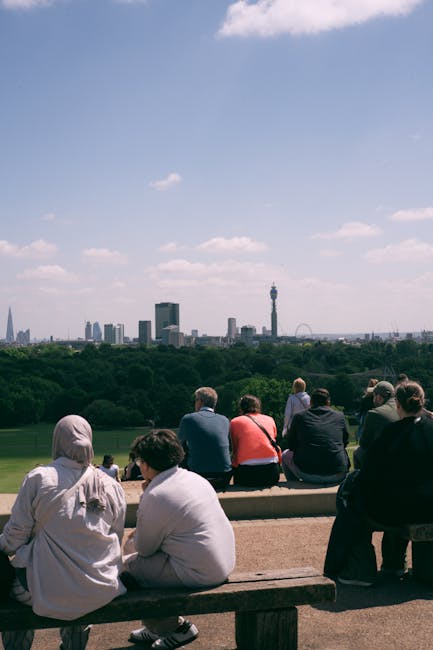
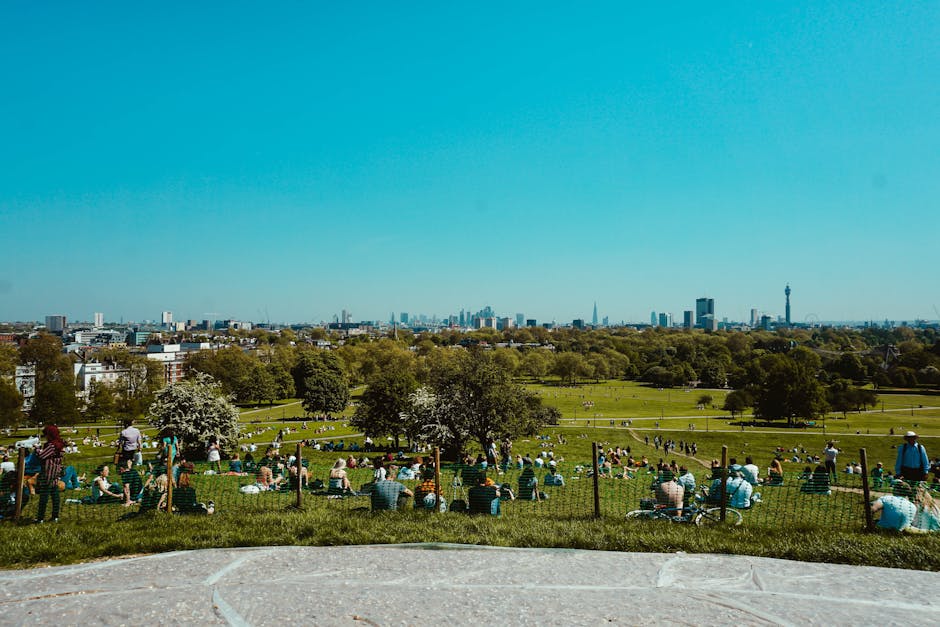
Primrose Hill is one of those places where the setting is lovely, but the logistics can bite you if you are not prepared. The viewpoint draws walkers, families, runners, tourists, dog owners, and cyclists, often all at once. Add a removal van, a few boxes, and a sofa being turned carefully around a tight corner, and you can see the issue straight away.
Loading near a viewpoint is not just about getting the item into the vehicle. It is about keeping pavements usable, protecting people who are simply trying to walk past, and avoiding that awkward moment when a driver has to reverse, stop, and reshuffle because the load plan was never thought through. To be fair, most moving delays in this sort of area come from access, not lifting.
There is also a reputation point. If your move looks controlled and considerate, neighbours are far more likely to stay patient. If it looks chaotic, everyone notices. That matters in residential streets where space is already tight. A calm plan helps the whole street breathe a bit easier.
For broader planning, many customers find it useful to read about the Regents Park Road moving access guide for Primrose Hill, especially if their route runs through busier local stretches. It gives a good sense of how access issues often build up in this part of the area.
How Primrose Hill viewpoint moves: loading and pedestrian tips Works
The basic idea is simple: keep the pedestrian route open, keep the vehicle positioned legally and safely, and keep the load sequence efficient. In practice, that means treating the footway and kerbside as part of the moving plan, not an afterthought.
Most successful moves in the area follow a pattern like this:
- Check the route from property to van before lifting anything.
- Decide where the vehicle can stop without causing a blockage.
- Assign someone to watch the pedestrian flow if the pavement is narrow.
- Bring out the heaviest items first or last, depending on van layout and route width.
- Keep hand signals clear between the person at the door and the person by the van.
That sounds obvious, but the details matter. For example, a steep kerb edge can turn a simple trolley push into a wobble if the load is uneven. A busy Saturday morning can force a pause every thirty seconds. And if someone leaves a front door open while boxes are stacked across the threshold, people inside and outside start colliding with each other. Small things. Big effect.
If you are packing for the move as well, a solid packing method will reduce slowdowns at the kerb. The efficient moving packing guide is a useful companion piece because good packing and good loading go hand in hand. A box that is sealed properly and labelled clearly saves time on both ends of the move.
Key Benefits and Practical Advantages
When loading and pedestrian management are planned properly, the benefits show up quickly. You get less waiting time, fewer lifting errors, and a far lower chance of someone stepping into the wrong space at the wrong moment. That last one is a big deal in a public-facing location.
Here is what good planning usually gives you:
- Faster loading: less stopping and starting, fewer unnecessary reshuffles.
- Safer walkways: pedestrians can pass without feeling pushed into the road.
- Lower item damage: fewer collisions, drops, and awkward turns.
- Less stress for the mover: once the sequence is clear, the whole job feels calmer.
- Better neighbour relations: people are more forgiving when they can see you have tried to be considerate.
There is another benefit people do not always mention: confidence. Once you know the route, where the van will sit, and how the people on foot will move, the entire operation feels more controlled. You are not improvising at the curb with everyone watching. And yes, people do notice the van. They always notice the van.
If your move includes furniture that needs extra care, have a look at furniture removals in Primrose Hill and house removals in Primrose Hill to understand how specialist handling can fit into a broader move.
Who This Is For and When It Makes Sense
This kind of planning is useful for anyone moving in or around Primrose Hill, but it is especially helpful if you are dealing with a small frontage, a shared entrance, or a route that passes close to the park and viewpoint area. Flats, maisonettes, and converted buildings often create the tightest loading conditions.
It makes sense for:
- Flat moves with stair access and limited kerbside space
- Student moves with lots of boxes but awkward timing
- Furniture deliveries to homes near busy pedestrian routes
- Office relocations where time windows are short
- Same-day moves where you need a quick, tidy loading plan
If you are moving a single large item, the same rules still apply. A piano, for instance, changes the whole feel of the job. It is heavy, awkward, and sensitive to handling. The risks are laid out clearly in this guide to piano moving risks, which is worth reading before anyone attempts a solo lift. Truth be told, there are items that deserve more than enthusiasm and a pair of gloves.
If you are only moving a few things, a man and van in Primrose Hill or a man with a van service can be a practical fit. For larger or more complex jobs, a more structured removal service in Primrose Hill may be the better match.
Step-by-Step Guidance
Good loading near a pedestrian-heavy area is mostly about order. Below is a straightforward process that works well in real life, not just on paper.
1. Walk the route before the van arrives
Look at the full path from the front door to the vehicle spot. Check for steps, tight turns, parked cars, low branches, slippery patches, bins, and any point where two people would struggle to pass. If the path narrows halfway along, plan for that now rather than during the first lift.
2. Decide where the vehicle will stand
Choose the safest legal stopping point you can manage. In a busy area, that may mean slightly further away than you hoped. That is fine if it keeps the street flowing. A short walk with a trolley is better than blocking the pavement and making everyone edge around you.
3. Separate pedestrian movement from loading movement
One person should be focused on pedestrians when the route is tight. That person does not need to shout; they just need to be alert. A simple pause and eye contact often works better than a lot of waving around. If a passer-by appears, stop the lift for a second. It is quicker than a collision or a complaint.
4. Stage items inside before they go out
Put the items nearest the door in the order they will be loaded. This prevents the classic "where is the lamp?" moment after everything else is already on the trolley. If you have not sorted the load inside, the curbside becomes cluttered very quickly.
5. Load by weight and shape, not by guesswork
Heavy, dense items should be placed securely in the van first, with lighter or more fragile items padded and tucked into gaps. Good loading is partly geometry. It is not glamorous, but it works.
6. Keep the threshold clear
The doorway should not become a storage zone. Boxes on the step are a trip hazard, and they also slow the move every time someone needs to pass. If the front hall is tiny, use a temporary holding area a little inside the property and keep the exit clear.
7. Double-check before the doors close
Look around for loose straps, packaging, trailing wrap, or items that never made it to the van. One quick pause here can save a second trip later. It is a tiny delay that usually pays for itself.
For anyone decluttering before the move, these decluttering tips before relocation can make the loading stage simpler, because fewer items means fewer decisions at the curb.
Expert Tips for Better Results
There are some habits that make a very noticeable difference, especially in tighter London streets where you do not get much room to fix a mistake.
- Use a spotter near the pavement edge. One person watching the route saves a lot of awkward hesitations.
- Pack the van with the exit route in mind. Things you need first at the destination should not be buried under the last items loaded.
- Protect corners before you move. Door frames, mirrors, and table edges suffer most during short turns.
- Keep straps and wrap close to hand. Searching for tape while a trolley waits outside is never ideal.
- Plan for weather. A light drizzle can make thresholds and metal ramps slippery fast.
A small but useful trick: if your move is happening early in the morning, you often get slightly calmer streets and better visibility of the route. Later in the day, pedestrian traffic can become surprisingly busy. Primrose Hill has that start-stop rhythm where one minute feels quiet and the next minute everyone is out with coffee, dogs, and headphones. Funny how fast that changes.
If you are moving fragile or bulky household pieces, the advice in sofa safekeeping guidance and bed and mattress relocation tips can help you protect the items that are hardest to replace neatly.
Common Mistakes to Avoid
Most problems in viewpoint-area moves are not dramatic. They are small avoidable errors that pile up.
- Blocking the pavement without a backup plan: this quickly creates friction with pedestrians and can slow the move.
- Overfilling boxes: overpacked boxes split, sag, or become difficult to control on stairs.
- Trying to lift while talking and scanning at the same time: attention gets split, and someone misses a step.
- Leaving items in the doorway: this is one of the easiest ways to create a trip hazard.
- Ignoring the return trip: if you need to come back for another load, plan the second run before the first van door shuts.
- Using a van that is too small: too many trips means more exposure to pedestrian flow and more fatigue.
One common oversight is failing to think about the people inside the property. You might be focused on the street, but the hallway, stairwell, and landing can become busy too. The move works best when the inside and outside teams are in sync. Otherwise, everyone ends up doing a polite little shuffle, and nothing gets easier.
If lifting is part of the challenge, this article on heavy lifts alone with safety is a sensible read. It is better to know where the limits are before your back tells you, rather loudly, later on.
Tools, Resources and Recommendations
For a smooth loading job, you do not need a warehouse full of gear. A handful of sensible tools usually covers most situations.
| Tool or Resource | Why It Helps | Best Used For |
|---|---|---|
| Furniture blankets | Protect surfaces and edges during loading | Sofas, tables, cabinets |
| Moving straps | Improve control on stairs and short carries | Heavy or awkward items |
| Two-wheel or four-wheel trolley | Reduces manual strain and shortens carry time | Boxes, appliances, stacked items |
| Floor protection | Helps prevent scuffs and slips at entry points | Hallways, thresholds, shared entrances |
| Labels and marker pens | Speeds up the unload and reduces confusion | Boxed household contents |
Resources matter too. A move goes better if you know what sort of vehicle you actually need, and whether you need help with packing or just the transport side. The packing and boxes service in Primrose Hill can be useful when you want stronger materials or a better packing standard than the average supermarket box. For larger homes, the flat removals and house removals pages give a clearer picture of how a structured move is usually handled.
And if you are comparing levels of help, the broader services overview is a useful place to start. It is often easier to pick the right support once you can see the full menu, so to speak.
Law, Compliance, Standards, or Best Practice
This kind of move touches on practical safety and, in some cases, local parking or stopping considerations. The exact rules depend on the street, the council area, and the circumstances on the day, so it is wise to check local restrictions rather than assume a quick kerbside stop is acceptable. A careful mover will treat that as part of planning, not as an afterthought.
At a minimum, best practice usually means:
- keeping public walkways as clear as possible
- avoiding unnecessary obstruction of pedestrian routes
- using proper lifting technique and suitable equipment
- making sure loads are secure before the vehicle moves
- following company safety guidance and any relevant site-specific instructions
If you want extra reassurance around safety and handling, the company's health and safety policy and insurance and safety information are sensible reference points. That is the sort of thing people skip until they need it. Better to check early.
For customers who want more background on the business side as well, about us, pricing and quotes, and terms and conditions are the pages that usually answer the practical questions before booking.
Options, Methods, or Comparison Table
Not every move near the viewpoint needs the same setup. Here is a simple comparison of common approaches.
| Method | Best For | Pros | Trade-Offs |
|---|---|---|---|
| Self-managed move | Small loads, flexible timing | Lower direct cost, full control | More physical effort, higher risk of mistakes |
| Man and van | Single rooms, partial loads, quick jobs | Simple, efficient, good for local access | May need extra planning for fragile or heavy items |
| Full removals service | Flats, houses, larger or staged moves | More structured, better for complex access | Usually more expensive than a basic carry-and-drive setup |
| Same-day removals | Urgent or time-sensitive moves | Fast response, convenient in a pinch | Less flexibility on timing and preparation |
If you are unsure which route suits you, a short move in a busy access area often works well with a flexible van service. A bigger, more delicate move benefits from a more careful plan. Not every job needs a full production line, but some do need a bit more structure than expected.
For urgent timing, same-day removals in Primrose Hill can be worth considering. For more general transport-only needs, removal van hire in Primrose Hill is another practical option.
Case Study or Real-World Example
Imagine a small top-floor flat near the viewpoint with a narrow front path and a front door that opens straight onto the stairs. Nothing dramatic, but enough to make a move awkward if the plan is loose.
In a typical successful run, the mover would first identify the safest stopping point for the van, slightly away from the busiest pedestrian pinch point. A second person would stay near the door to watch for passers-by and keep the exit clear. The heaviest item, say a wardrobe panel or a sofa section, would be carried only when the route is empty. Smaller boxes would be staged inside in the order they were needed. No frantic back-and-forth. No clutter at the threshold.
What changed the outcome was not strength. It was sequencing. The team reduced the number of times items had to be paused, moved aside, or turned back. The street stayed passable. The move finished without a lot of noise or repetition. And the customer, frankly, looked relieved by the end of it.
If you have ever tried to move while someone else is walking a dog, carrying takeaway coffee, or weaving around a parked car, you will understand why that calm sequence matters. It is the difference between a controlled job and a slightly scruffy one that keeps making excuses for itself.
Practical Checklist
Use this checklist before loading begins. It is simple, but it covers the stuff people forget when they are in a hurry.
- Confirm the route from the property to the van
- Check for narrow sections, steps, and wet or uneven surfaces
- Choose a vehicle position that does not block the whole pavement
- Assign one person to watch pedestrian flow if needed
- Stage items inside in loading order
- Protect door frames and corners
- Keep the threshold and staircase clear
- Use trolleys or straps where appropriate
- Load secure, heavy items first or in the most stable sequence
- Do one final walk-around before leaving
It is a short list, but it saves time. And sometimes that is all you need. One neat plan, a few sensible checks, done.
Conclusion
Primrose Hill viewpoint moves need a bit more thought than a standard street-level collection because the area is busy, the pedestrian flow is constant, and kerbside space can be limited. The good news is that with sensible loading habits, clear walking routes, and a calm eye on safety, the job becomes much easier to manage.
Whether you are moving a single sofa, a full flat, or a time-sensitive load, the same principles apply: plan the route, protect people, load in order, and keep the pavement usable. That is the real secret. Nothing fancy, just proper care and a bit of local awareness. If you do that, the whole move tends to feel lighter somehow.
Get a free quote today and see how much you can save.
For a tailored next step, explore the wider range of removals in Primrose Hill or speak with a team that understands the area, the access issues, and the practical realities of getting things from A to B without the fuss.