Inverness Terrace Primrose Hill removals access tips
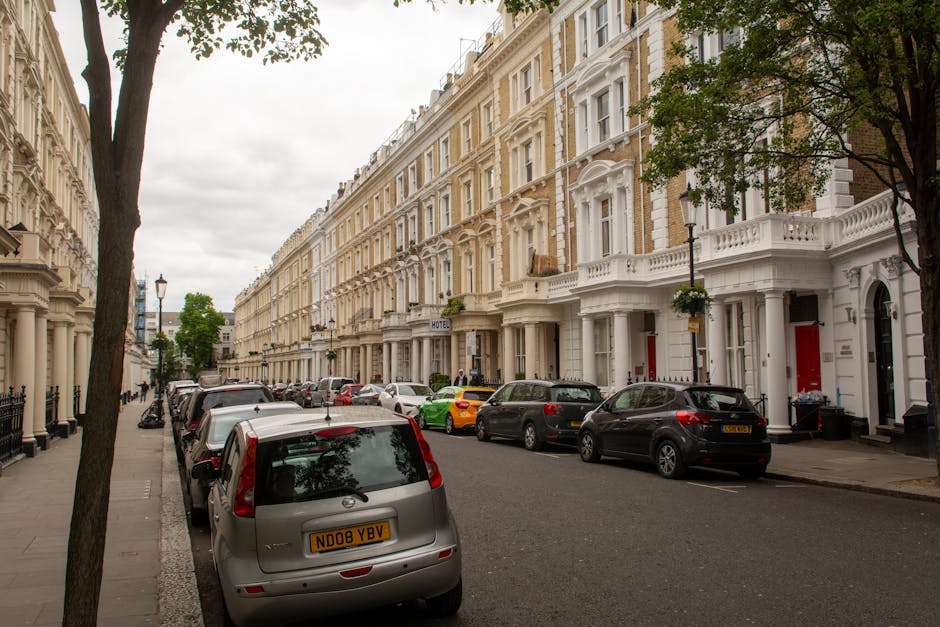
If you are planning a move around Inverness Terrace in Primrose Hill, the access details can matter just as much as the packing. A van can be perfectly booked, boxes can be neatly labelled, and still the move slows down because of a narrow street, awkward parking, stair-heavy access, or a neighbour's car blocking the only sensible stopping point. That is why these Inverness Terrace Primrose Hill removals access tips are worth getting right before moving day, not after the driver has arrived and everyone is standing there thinking, "Right... now what?"
This guide breaks down the practical side of moving in this part of North West London: how access usually works, what to check in advance, where delays tend to happen, and how to make the process smoother for everyone involved. If you are arranging a full household move, a smaller flat move, or even just shifting bulky furniture, a bit of planning goes a very long way. To be fair, it saves a lot of stress too.
Why Inverness Terrace Primrose Hill removals access tips Matters
Access is one of those unglamorous moving-day details that decides whether the day feels orderly or chaotic. In a place like Inverness Terrace, a small parking mistake or a badly timed arrival can mean longer carrying distances, extra labour, more congestion, and a much less relaxed move. If the street is busy, if there are tight bays, or if the property sits behind a shared entrance, the logistics become part of the job rather than background detail.
Why does this matter so much? Because removal work is about movement, not just transport. The fewer obstacles between the van and the front door, the faster everything tends to run. That affects not only time, but also risk. Lifting heavy items further than expected increases the chance of knocks, strain, and awkward turns on stairs or pavements. And no one enjoys discovering that the wardrobe looked much lighter in the bedroom than it does halfway down the building.
Good access planning also helps neighbours and building managers. A move that blocks entrances, clogs the pavement, or leaves a van idling in the wrong place creates friction very quickly. A bit of forethought keeps things calmer and more respectful, which is especially useful in residential streets where people value quiet and order.
If you are arranging help, it is sensible to look at the type of service that suits your move. Some people only need a man with van for a lighter load, while others need fuller support through house removals or even a broader removal services package. Access planning makes all three far easier.
How Inverness Terrace Primrose Hill removals access tips Works
The practical side of access planning starts with one simple question: how will the vehicle and the movers get as close as possible to the property without causing disruption? That sounds basic, but it is where most of the useful detail lives.
In practice, you are usually dealing with five variables:
- Vehicle stopping point - where the van can legally and safely pause for loading or unloading.
- Walking distance - how far items must be carried between the building and the vehicle.
- Vertical access - stairs, lifts, split levels, basement flats, or top-floor walk-ups.
- Shared spaces - communal hallways, entry codes, courtyards, forecourts, or managed blocks.
- Timing - traffic, school runs, refuse collections, and quiet hours all affect the day.
Once you understand those points, the moving plan becomes much more realistic. For example, if a van cannot stay directly outside for long, the team may need to stage the move in smaller runs. If the lift is too small for sofas or wardrobes, then the route becomes stair-based. If a building has a narrow doorway, items may need to be disassembled first. None of that is unusual. It just needs to be known early.
That is why it helps to work with experienced movers who ask detailed questions before the day arrives. A decent pre-move conversation can prevent a lot of awkward surprises. Honestly, it often feels a bit like a rehearsal. Not glamorous, but very useful.
For smaller or simpler jobs, people often choose a man and van option. For larger domestic jobs, home moves or a full house movers service may be more suitable. The right format depends on volume, access, and how much heavy lifting is involved.
Key Benefits and Practical Advantages
Getting access planning right brings benefits that show up immediately on moving day, but also in the days before and after. A well-organised access plan is not just about speed. It is about control.
- Shorter loading times because the van is positioned efficiently.
- Less carrying distance, which reduces strain and the chance of damage.
- Fewer delays caused by double parking, neighbours, or blocked entrances.
- Better protection for fragile items because the move is smoother and less stop-start.
- Improved neighbour relations through cleaner, less disruptive loading.
- More accurate quotes when the provider understands the real access conditions.
There is also a trust benefit. When a removal company understands access clearly, they can send the right vehicle, the right number of people, and the right equipment. That is especially useful if your move involves tight staircases, awkward furniture, or a lot of packing. In some cases, a service such as packing and unpacking services can make the whole process more manageable because it reduces the number of separate tasks you need to coordinate.
Small things matter. A box trolley, a shoulder strap, furniture blankets, or a simple pre-cleared hallway can shave time off the day and make the whole move feel more civilised. A bit less drama, which is always nice.
Who This Is For and When It Makes Sense
These access tips are useful for almost anyone moving on or near Inverness Terrace, but they are especially valuable in a few common situations.
- Flat moves in period or converted buildings where stair access may be tight.
- House moves with large furniture, multiple bedrooms, or awkward rear access.
- Students or renters moving lighter loads but still needing clear loading space.
- Landlords and letting agents who want moves to happen cleanly between tenancies.
- Small businesses and home offices with desks, filing, or equipment that needs careful handling.
- Anyone with fragile, heavy, or valuable items where every extra metre matters.
It also makes sense if you are comparing different removal options and trying to decide between a smaller vehicle and a more comprehensive package. Some jobs fit a removal van neatly. Others need a more tailored approach, especially where the property access is not straightforward. If you are moving a business, then commercial moves may be the better route because office access and working hours tend to be more sensitive.
Truth be told, if your first thought is "this place might be awkward," it probably is. And that is fine. It just means you should plan for it rather than hoping it sorts itself out on the day. It rarely does.
Step-by-Step Guidance
Here is a practical way to prepare access for a removal in Inverness Terrace. Keep it simple and you will be miles ahead of the usual last-minute scramble.
- Check the street layout. Look at where a van could reasonably stop, where corners may be tight, and whether there are bays, yellow lines, or loading limitations.
- Measure the real walking route. Do not guess from the front door to the pavement. Include steps, gates, paths, lifts, and internal corridors.
- Identify obstacles inside the building. Low ceilings, narrow landings, turns on stairs, and heavy fire doors all affect timing.
- Confirm building access details. Entry codes, concierge rules, lift booking slots, and move-in conditions can all matter.
- Separate "easy carry" from "awkward carry". Boxes are one thing. Sofas, mattresses, wardrobes, and appliances are another.
- Decide whether disassembly is needed. A bed frame or table that comes apart often moves faster and safer.
- Share the information early. Give your mover a plain, honest picture, including anything that feels inconvenient.
- Prepare for the actual arrival window. Keep key items close, ensure hallways are clear, and try not to let bikes, bins, or random furniture block the route.
A useful habit is to walk the route yourself the day before. You will spot the things that never show up in a quick conversation. A low branch, a tight corner, a gate that sticks a little, the bit of pavement that always fills with parked cars at school time. Those details are where smooth moves are made.
If you want a broader local removals setup, it can help to review general removals options alongside the access notes, so the service matches the property rather than forcing the property to fit the service. That sounds obvious, but people overlook it all the time.
Expert Tips for Better Results
These are the small things that make a noticeable difference, especially in residential London streets where space is limited and timing matters more than you think.
- Book the earliest practical slot. Morning moves often face less congestion and fewer "mystery cars" parked in useful spots.
- Label the awkward items clearly. If something is too large for a lift, say so in advance.
- Use the building's best route, not the most convenient one. The shortest path is not always the safest path.
- Keep essentials separate. Keys, documents, chargers, and a kettle should not vanish into the deepest box pile.
- Protect floors and walls. This matters in shared entrances and older properties where scuffs show up immediately.
- Think about vehicle height and length. A larger van may carry more, but not every street or entrance likes a bigger vehicle.
- Be honest about the access. No one benefits from saying "it's fine" when it is clearly a bit of a squeeze.
If you are unsure whether your job is better suited to a smaller, quicker move, a man with a van can be a good fit for compact loads. If the move is heavier or more layered, a removal company may be more appropriate because it can plan staffing and equipment around the access conditions.
And one more thing: if a stairwell looks tight, it usually is tight. There is rarely a magical second angle that makes the sofa behave. Sadly.
Common Mistakes to Avoid
Most access problems are predictable. That is the slightly annoying part. The upside is that they are also avoidable.
- Assuming the van can park outside for as long as needed. That is rarely safe to assume in a busy street.
- Forgetting to mention stairs, lifts, or split-level access. This can affect staffing and timing.
- Leaving bulky furniture fully assembled. It may fit, but not gracefully.
- Not checking the entrance width. Older properties sometimes surprise people with narrow frames or awkward corners.
- Ignoring neighbour and building rules. Shared access can bring complaints if the move becomes noisy or blocks the entrance.
- Underestimating the time needed to load. A small move can still become slow if carrying distances are long.
- Booking without discussing insurance and safety. It is a basic trust check, not a fancy extra.
One very common issue is failing to account for the last ten metres. The last ten metres are often the hardest bit. That is where the lift is too small, the front step is awkward, or the van can't quite align with the doorway. It sounds minor until you are there, holding a mattress on a wet pavement, wondering who designed the entrance.
For peace of mind, many customers also review insurance and safety information before booking. That is a sensible habit whenever you are trusting someone with furniture, walls, and a fairly expensive day.
Tools, Resources and Recommendations
You do not need specialist moving kit for every job, but a few simple tools and preparations can make access far easier.
| Tool or resource | Why it helps | Best used for |
|---|---|---|
| Measuring tape | Checks door widths, stair turns, and furniture dimensions | Large or awkward items |
| Floor protection | Reduces scuffs and dirt in hallways | Shared entrances and older buildings |
| Furniture blankets | Helps protect corners and finishes | Sofas, tables, cabinets |
| Box labels | Makes unloading faster and less chaotic | Full-house moves |
| Lift booking confirmation | Prevents timing clashes with other residents | Managed blocks |
| Parking plan | Shows where the vehicle can stop or wait | Any street with limited space |
For many people, the most useful "resource" is actually a clear, detailed quote. If the mover knows the property access, they can often tell you whether a moving van is enough or whether a different approach would be more efficient. That is where the planning pays off.
You may also want to think about what happens after the move. If you are upgrading furniture or shifting unwanted items, a furniture pick up can help keep the home uncluttered before or after moving day. Nice, simple, done.
Law, Compliance, Standards and Best Practice
Moving access is not just a practical issue; it also touches on safety, considerate use of public space, and responsible working practices. The exact rules can vary depending on the road, the building, and local arrangements, so it is sensible to stay with general best practice unless you have specific instructions from the property or the relevant authority.
In everyday terms, that means:
- not blocking driveways or emergency access;
- respecting loading restrictions and time limits;
- being careful with shared entrances and communal areas;
- avoiding unnecessary noise or disruption early in the day;
- lifting safely and not overloading carriers;
- keeping walkways clear for residents and pedestrians.
Good providers will also work in line with their own internal policies on safety, insurance, and customer service. If you are comparing options, it is reasonable to look at a company's published health and safety policy, terms and conditions, and payment and security information. That is not being difficult; it is just sensible due diligence.
For some moves, especially work-related ones, it can also be useful to review office removals or office relocation services if the location and access need a more structured approach. Offices bring their own quirks: lifts, staff access, shared corridors, and usually less tolerance for "we'll just make it work".
Options, Methods, or Comparison Table
The right moving method depends on what you are moving and how difficult the access is. Here is a simple comparison that can help you decide.
| Option | Best for | Access strengths | Possible drawbacks |
|---|---|---|---|
| Man and van | Smaller domestic loads, single-room moves, lighter furniture | Flexible, often quick to position | May not suit large or complex moves |
| Removal van | Moderate home moves and mixed loads | Good balance of capacity and manoeuvrability | Still needs clear parking and loading space |
| House removals | Full-property moves with many items | More structured and easier to plan around access issues | Usually needs stronger pre-move coordination |
| Commercial moves | Offices, business equipment, or mixed workspaces | Can be scheduled around working hours and access rules | May involve more stakeholders and timing constraints |
If you are in doubt, think about the number of trips, the size of the hardest item, and whether the access route feels comfortable for two people carrying something heavy. If the answer is "not really," go up a level rather than down. That is usually the wiser call.
Case Study or Real-World Example
Imagine a typical move from a flat near Inverness Terrace. The property is on an upper floor, the stairwell turns sharply halfway up, and the nearest sensible stopping point is not directly outside the entrance because the street is busy. Nothing dramatic. Just one of those moves that looks simple until the first box is on the pavement.
In this kind of scenario, the most efficient approach is usually to:
- confirm the access route in advance;
- identify any items that will not fit through the stair turn;
- disassemble one or two key furniture pieces;
- clear the hallway before the crew arrives;
- use smaller, well-labelled boxes for easier carrying;
- keep the vehicle plan flexible in case the closest bay is occupied.
On moving day, that preparation turns a stressful, stop-start process into something much more controlled. The team can carry in a rhythm instead of pausing at every corner. The client knows where the gaps are. Everyone's less flustered. And at the end of the day, that really is half the win.
That same logic works for a broader man with van removal booking too: the better the access notes, the more efficient the move tends to be.
Practical Checklist
Use this checklist before your removal date. It is simple, but it catches the details people often forget.
- Confirm the move date, arrival window, and contact number.
- Check whether the van can stop close to the property.
- Measure doorways, stair turns, and lift dimensions if needed.
- Tell the mover about any basement, top-floor, or split-level access.
- Disassemble large furniture where appropriate.
- Reserve lift use or building access if required.
- Clear hallways, entrances, and the path to the front door.
- Protect floors, corners, and bannisters if needed.
- Separate essentials you want to keep with you.
- Share any parking restrictions or loading concerns early.
- Review the mover's insurance and safety details.
- Plan for recycling, disposal, or furniture pick-up if you are decluttering.
If you need help lining up the move itself, a well-matched removals near me search can be a starting point, but the real value comes from asking the right access questions once you have a shortlist. Search is the easy bit. Judgement is the useful bit.
Get a free quote today and see how much you can save.
Conclusion
Inverness Terrace Primrose Hill removals access tips are really about making a busy, physical job feel controlled and predictable. When you understand the street layout, the building access, the parking limitations, and the real carrying distance, you give yourself a much better chance of a clean move. That is true whether you are moving a one-bedroom flat, a family home, or a small business setup.
The best moves are rarely the ones that look dramatic. They are the ones where the right vehicle arrives, the route is clear, the furniture fits, and nobody ends up improvising on the pavement at the last minute. Small detail, big difference. And that's the whole point.
If you plan ahead, keep the access notes honest, and choose the right moving support, the day is usually far less stressful than people fear. A calm move in Primrose Hill is absolutely possible, even if the street is a bit fussy. Sometimes that is enough to take a long breath and carry on.
Frequently Asked Questions
What should I check first for Inverness Terrace Primrose Hill removals access tips?
Start with parking, walking distance, and whether the van can stop close enough to the entrance. Then check stairs, lifts, doorway widths, and any building access rules.
Do I need to tell the removal team about narrow stairs?
Yes. Narrow stairs can change the moving plan, the number of people needed, and whether certain furniture should be dismantled before moving day.
Is a man and van enough for a flat move in Primrose Hill?
Sometimes, yes. A man and van removals setup can work well for smaller loads, but access and furniture size matter just as much as volume.
What happens if the van cannot park directly outside?
The crew may need to use a longer carry route or stage the move in smaller runs. That is manageable, but it usually takes longer and should be planned in advance.
Should I dismantle furniture before the move?
If large items are awkward to turn through doors or stairs, dismantling them is often a good idea. It can save time and reduce the risk of damage.
How early should I book a removals service?
As early as you can, especially if the move involves difficult access, a shared building, or a busy street. Early booking gives you more time to plan the details properly.
What kind of vehicle is best for tight residential streets?
It depends on the load. A smaller removals van may be easier to position, while a larger vehicle may be better for bigger moves if the street can accommodate it.
How do I avoid complaints from neighbours during a move?
Keep noise down, avoid blocking entrances, move efficiently, and share any access needs with the building manager where relevant. Good timing makes a noticeable difference.
Do access issues affect the quote?
They often do, because they affect labour time, vehicle choice, and the overall complexity of the move. A clear description usually leads to a more accurate quote.
Is insurance important for removals?
Yes. It is sensible to check insurance and safety arrangements before booking, especially when you are moving valuable or fragile items through tight access points.
Can packing services help with access problems?
They can. Well-packed boxes are easier to stack, carry, and load, which makes difficult access less frustrating and more efficient.
What is the biggest mistake people make on moving day?
Underestimating the access route. People often focus on the room layout and forget about the last stretch from the van to the front door. That last bit is where the delays usually happen.
Where can I learn more about the company before booking?
You can review the company's about us, insurance and safety, and pricing and quotes pages to get a better sense of how the service is structured.