Legal disposal of house clearance waste in Camden explained
Posted on 29/07/2026
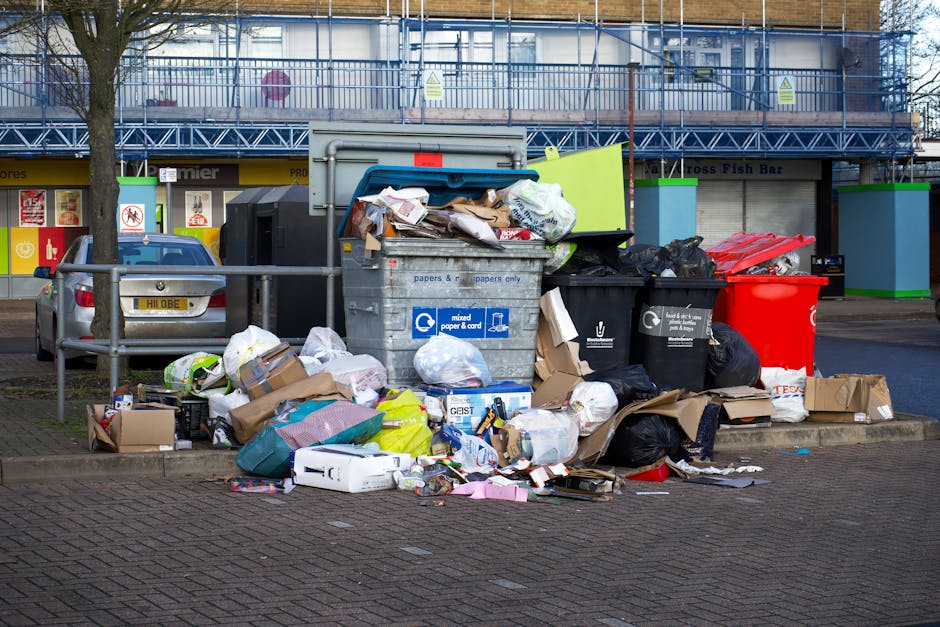
If you are clearing a flat, a family home, or a rental property in Camden, the waste question arrives fast: what can be taken, what must be separated, and how do you avoid turning a simple clearance into a legal headache? The truth is, legal disposal of house clearance waste in Camden explained properly is less about bureaucracy and more about doing things cleanly, safely, and with a traceable route for everything you remove.
That matters because house clearance is rarely just "a few bags and an old chair". It can include furniture, mattresses, electricals, textiles, paint tins, broken ornaments, paperwork, and the odd mysterious box from the back of a cupboard. Some items can be reused, some can be recycled, and some need specialist handling. In this guide, we'll walk through the lawful way to manage it, what good practice looks like in Camden, and how to avoid the mistakes that cause fly-tipping, fines, or wasted time. Let's face it, nobody wants to be that person with a van full of rubbish and nowhere legitimate to put it.
Why Legal disposal of house clearance waste in Camden explained Matters
House clearance waste is one of those things that looks simple until you are standing in front of a hallway full of mixed items, trying to work out what goes where. In Camden, that decision matters even more because urban streets, controlled parking, and shared access points leave very little room for guesswork. One careless skip of an item into the wrong pile can create problems for the whole job.
Legally, the core principle is straightforward: waste must go to an authorised destination, not dumped, abandoned, or handed over casually to someone who "says they'll sort it". If a carrier cannot show that waste is being handled properly, you are taking a risk. In practice, that means checking how items are moved, where they go, and whether the disposal route is suitable for the type of waste involved.
There is also a reputational side to this. A clean, lawful clearance protects tenants, landlords, executors, homeowners, and removal teams alike. It keeps the chain of responsibility clear. And in a borough like Camden, where a single street can have flats, basement conversions, shops, and tight loading windows all on the same stretch, that clarity saves time as much as it saves trouble.
Key takeaway: lawful disposal is not a box-ticking exercise. It is the difference between a well-run clearance and a messy one that creates liability, delays, and avoidable stress.
How Legal disposal of house clearance waste in Camden explained Works
At a practical level, legal disposal usually follows a simple chain: identify the waste, separate reusable or recyclable items, choose the right carrier or destination, and keep enough documentation or proof of transfer to show the material was handled properly. That may sound formal, but it is really just a disciplined way of dealing with household leftovers.
The first stage is sorting. In a typical Camden house clearance, you may find bulky furniture, small appliances, books, broken homeware, clothing, mattresses, and general rubbish. Items should be split into categories before anything leaves the property. If you mix everything together, you lose the chance to reuse or recycle properly, and you may end up paying more for disposal.
The second stage is routing. Some items can be reused, some can be recycled, and some are true waste. Electrical items need careful handling. Mattresses, upholstered furniture, and certain contaminated materials often need separate treatment. The cleaner the sort, the easier the disposal route.
The third stage is transfer. If a clearance team or van service is carrying the waste away, they should be acting as a proper waste carrier or working with one. In plain English, that means the waste should go to a lawful facility, not to a random yard or a quiet roadside layby at 10pm. A good provider will be able to explain what happens to the waste and, where relevant, provide a record of removal.
For many households, the best route is a mixed approach. Reusable furniture may be passed on, recyclable material may be separated, and the remainder goes for lawful disposal. If you are clearing before a move, you may find it helpful to combine this with a plan from efficient decluttering tips before relocation so the waste pile is smaller from the start.
Key Benefits and Practical Advantages
Doing it legally is not just about staying out of trouble. It usually makes the whole clearance smoother, faster, and less expensive in the long run. That sounds a bit neat on paper, but in real life the benefits are easy to feel.
- Less risk of penalties or complaints: proper disposal avoids the classic "who took this?" problem if something ends up in the wrong place.
- Better recycling outcomes: separating materials early gives them a real chance of reuse or recycling instead of being lost in mixed waste.
- Cleaner handover for tenants and landlords: a properly cleared property is easier to inspect, clean, and return.
- Reduced clutter and stress: once the waste is properly sorted, the job feels much more manageable.
- Safer lifting and transport: controlled handling lowers the risk of injuries or damage in tight Camden stairwells.
There is also a subtle benefit people sometimes overlook: legal disposal helps you make better decisions. Once you know an item has to be moved carefully, documented, and taken to the right place, you stop treating everything like "just junk". That shift changes the quality of the whole project.
If you are moving heavy pieces at the same time, it can be worth reading bulky furniture on Victorian stairs in NW3 safe tactics and flats without lifts practical Primrose Hill moving hacks. Clearance and lifting often happen in the same breath, and Camden does love a stairwell with personality.
Who This Is For and When It Makes Sense
This approach is relevant for more people than you might think. It is not only for landlords or professional clearance teams. If anything, ordinary households need it most because they are the ones most likely to underestimate how much mixed waste a home actually contains.
You will benefit from a clear legal disposal plan if you are:
- clearing a flat before a tenancy ends
- sorting a probate property after a bereavement
- downsizing from a larger Camden home to a smaller one
- disposing of old furniture during refurbishment
- emptying student accommodation at the end of term
- moving office items mixed in with domestic waste
It also makes sense when time is tight. Last-minute clearances tend to produce the worst waste decisions because people are rushing, tired, and trying to make everything disappear by lunchtime. If that sounds familiar, the article on fast clearances for Primrose Hill flats at tenancy end offers a useful mindset for getting organised without spiralling.
And to be fair, even if your clearance is small, lawful disposal still matters. One mattress, one TV, one paint tin, one bag of mixed household items - these are exactly the sort of pieces that cause confusion when people assume they can all go the same way.
Step-by-Step Guidance
Here is a practical route you can follow whether you are doing the clearance yourself or briefing a removals team.
- Walk the property room by room. Make a quick list of everything that needs to go. Do not trust memory; memory is famously optimistic in a half-empty flat.
- Separate items into clear groups. Start with reusable furniture, then recyclables, then electricals, textiles, and general waste.
- Check for special items. Batteries, fridges, freezers, mattresses, liquids, sharp objects, and anything with personal data need extra care.
- Remove anything worth donating or storing. If an item may be reused later, set it aside before the main clearance begins. If you need time to decide, storage can help; the topic is discussed in storing your freezer safely when idle and sofa safekeeping tips from experts.
- Choose the lawful disposal route. Use a proper waste carrier or an approved facility. Do not leave the route vague.
- Keep proof where appropriate. Receipts, transfer records, or job notes are useful if questions come up later.
- Do a final sweep. Check cupboards, under beds, loft hatch areas, and behind doors. It is always the last shelf that hides the oddest thing.
If the clearance includes awkward furniture or large items, combine this process with safe lifting planning. The pieces on achieving heavy lifts alone with safety and exploring the dynamics of kinetic lifting are especially relevant when you are moving without much margin for error.
Expert Tips for Better Results
In our experience, the best clearances are the ones that are decided before the van arrives. A few small choices up front can save a surprising amount of time.
- Label before you lift. Use simple labels like "keep", "donate", "recycle", and "dispose".
- Keep hazardous items separate. A lone tin of paint in a bag of clothes can complicate the whole load.
- Think in layers. The top layer of a cupboard may be paper, but the bottom shelf may contain electricals or broken glass.
- Measure bulky items first. If it will not fit through the hallway, plan for disassembly before you start dragging it around.
- Bundle the job with moving prep. Decluttering, packing, and clearance work better together than as isolated tasks. The article on efficient moving packing is useful here.
- Do not rush sentimental sorting. A quick yes/no decision is fine for broken furniture, but not for old photos or documents.
A small practical note: if you are clearing before a move-out inspection, it is often worth pairing waste removal with a proper clean. That way you are not moving dust and rubbish around twice. The guide to cleaning your home before moving fits neatly with this stage.
And yes, parking matters too. In Camden, a perfectly organised clearance can still stall if access is poor. If your street is tight or subject to restrictions, the pieces on parking restrictions during Camden moves, Camden Council parking permits for removals, and loading bay permit rules in NW1 are worth a look.

Common Mistakes to Avoid
A lot of clearance problems come from the same few habits. Once you know them, they are easy enough to dodge, but in a rush they catch people out all the time.
- Assuming everything is general waste. It is not. Some items need separate handling or special disposal.
- Giving waste to an unknown collector. If you cannot confirm where it is going, you are taking an unnecessary risk.
- Mixing recyclable and non-recyclable materials. That can reduce reuse options and create extra cost.
- Forgetting electrical items. Small appliances, cables, chargers, and monitors are easy to overlook.
- Leaving bags on the street "for later". That is exactly how innocent clear-outs turn into fly-tipping complaints.
- Not checking access. Narrow staircases, basement steps, and parked cars can turn a simple job into a long one.
Another one, and this is a classic: people clear rooms in the wrong order. They start with the easy visible clutter and leave heavy or awkward items until the end, when everyone is tired. Try not to do that. Heavy and awkward first usually means fewer surprises.
Tools, Resources and Recommendations
You do not need a huge toolkit, but a few simple things make legal disposal easier and tidier.
- Strong bin bags and clear sacks: useful for separating lightweight waste and recyclables.
- Labels or masking tape: ideal for marking categories without confusion.
- Gloves and basic protective wear: sensible for dust, sharp edges, and old fixtures.
- Trolley or sack truck: helpful for books, boxes, and dense loads.
- Marker pen and room list: simple, but surprisingly effective.
- Storage space: useful if you need to hold back a few items while deciding what to keep. See storage options for Primrose Hill for the broader context.
If you are working with a removal team, it helps to ask in advance how they handle mixed household waste, broken furniture, and recyclable material. That conversation should be straightforward. If it is not, that tells you something useful.
You may also want to review practical service pages such as the services overview, removal services in Primrose Hill, or furniture removals in Primrose Hill if your clearance overlaps with a move. For people who need a lighter-touch transport option, man and van support or man with a van help can be part of the solution when used sensibly.
Law, Compliance, Standards, or Best Practice
Legal disposal in the UK generally comes down to using a permitted, responsible route for waste and keeping enough traceability to show the waste was handled properly. For household clearances, the exact process can vary depending on the type of material, but the underlying expectation is the same: do not dump it, do not burn it, and do not pass it off to someone who is not equipped to deal with it.
Best practice usually includes the following:
- sorting waste before collection where practical
- using a legitimate waste carrier or authorised disposal route
- keeping records of removal or transfer where relevant
- separating reusable goods from true waste
- handling electricals, mattresses, and bulky items correctly
- protecting personal information in paper files or old devices
For Camden residents, the local reality also matters. Tight access, limited parking, and shared entrances make it especially important that everyone involved understands the collection plan before anything is moved. A good clearance is not just lawful; it is organised. The two go together.
If you are choosing a provider, look for careful language about safety, insurance, and sustainability. The supporting pages on insurance and safety, health and safety policy, recycling and sustainability, and about us can help you judge the tone and standards a company is likely to keep. That is often more revealing than a flashy promise. Be fair, the website usually tells you quite a lot if you read it properly.
Options, Methods, or Comparison Table
Different disposal methods suit different types of house clearance. Here is a simple comparison to help you choose the right one.
| Method | Best for | Advantages | Limitations |
|---|---|---|---|
| Self-sorting and council-style drop-off | Small amounts of clearly separated waste | Low cost, good control | Time-consuming, access and transport can be awkward |
| Mixed house clearance by a removal team | Whole rooms or full properties | Faster, more convenient, better for bulky items | Cost may be higher if sorting is poor |
| Reuse and donation first, disposal second | Good-condition furniture and usable household items | Reduces waste and can help others | Needs more planning and a bit of judgement |
| Storage while deciding | Items you are unsure about | Prevents rushed decisions | Extra handling and temporary cost |
For many Camden clearances, the best answer is a blend: sort, reuse what you can, store what needs thought, and dispose of the rest through a lawful route. Simple enough on paper. In real life, a little messy. But manageable.
Case Study or Real-World Example
Consider a common Camden scenario: a two-bedroom flat being cleared at the end of a tenancy. The property includes a wardrobe, a sofa, a broken bedside table, a microwave, several bags of mixed household items, and a freezer that is no longer needed. There is also a folder of old documents in a kitchen drawer, plus a few paint tins left from a quick touch-up job.
The cleanest approach is to split the job before removal day. The documents are checked and shredded or retained as needed. The freezer is isolated and handled separately because it is not ordinary waste. The sofa may be assessed for condition - if it is usable, it may be kept in storage or moved on; if not, it follows a lawful disposal route. The microwave and other electricals are separated from the general waste. The paint tins are checked carefully rather than thrown in with everything else.
What happens next is surprisingly simple when the planning is done: the team loads only the right items, the property clears faster, and the final sweep is far less stressful. The tenant gets a proper handover, the landlord gets a property ready for inspection, and nobody is left wondering where the waste went. That is the goal. Not glamorous, but solid.
In a job like that, the difference between "cleared" and "cleared properly" is all in the sorting. You can feel it when the day runs smoothly. Less shouting, less backtracking, fewer bags in the wrong pile.
Practical Checklist
Use this before any house clearance in Camden:
- Walk through every room and note all items to remove
- Separate keep, donate, recycle, and dispose piles
- Identify electricals, mattresses, liquids, and hazardous items
- Remove paperwork and personal data first
- Measure large furniture and check stair or lift access
- Confirm parking or loading arrangements in advance
- Decide whether storage is needed for undecided items
- Use a lawful carrier or authorised disposal route
- Keep proof of removal where appropriate
- Do a final sweep of cupboards, lofts, and hidden corners
Quick rule of thumb: if you would be uncomfortable seeing the item dumped in a random alley, it probably needs a more careful disposal plan. Simple test, but useful.
Get a free quote today and see how much you can save.
Conclusion
Legal disposal of house clearance waste in Camden is really about respect: respect for the property, for the street, for the environment, and for the people who have to clear up after everyone else. Once you separate items properly and use the right disposal route, the whole job becomes calmer and far more predictable.
If you are planning a clearance alongside a move, the smartest next step is to prepare early, sort carefully, and choose support that understands both access and waste handling. Camden rewards planning. A bit of it goes a long way.
And when it is all done, there is a particular relief to standing in an empty room with clean floors and no rogue bag in the corner. Quiet, ordinary, satisfying. That's the good bit.