St Mark's Crescent block move: lift, stairs and parking tips
Posted on 04/07/2026
St Mark's Crescent Block Move: Lift, Stairs and Parking Tips
If you are planning a move on or around St Mark's Crescent, the building access can matter just as much as the boxes. A lift that is a bit small, stairs that turn awkwardly at the landing, or parking that needs careful timing can all change the shape of moving day. This guide to St Mark's Crescent block move: lift, stairs and parking tips breaks the process into plain English, so you can prepare properly, protect your furniture, and avoid those last-minute headaches that always seem to arrive ten minutes too early.
To be fair, most moving stress is not caused by the move itself. It is caused by the details people assumed would "sort themselves out". Will the lift take a sofa? Can the van stop close enough? Is the stairwell wide enough for the mattress? Those are the questions that save time, money, and a lot of sighing on the pavement. If you want a smoother day, this is where to start.
Along the way, we will cover how block moves work in practice, what to check before moving day, where the common risks are, and when it makes sense to use a specialist team such as a flat removals Primrose Hill service or a local man with a van in Primrose Hill. You will also find a realistic checklist, a comparison table, and answers to the questions people usually ask after they have stared at a stairwell and thought, "Right... how on earth is that wardrobe going out?"

Why St Mark's Crescent block move: lift, stairs and parking tips Matters
Block moves are a different animal from a straightforward house move. In a terraced house, the route is often clear: front door, van, done. In a block, you are dealing with shared spaces, access rules, lift timings, stairwells, corridors, residents, and sometimes very little kerb space. Each one can slow the day down if nobody has thought it through.
St Mark's Crescent, like many Primrose Hill locations, can present the typical London moving puzzle: mixed parking arrangements, tighter streets, a need to be considerate with neighbours, and a building layout that may not be obvious until you are standing in it with a trolley. The practical value of planning is simple. Fewer trips. Less damage. Less carrying. Less frustration. That is the whole game.
There is also a safety angle. Moving bulky items on stairs or in and out of lifts is where small mistakes become awkward ones. A rushed turn with a sofa can chip a wall. A box that is too heavy can catch someone off guard. Parking too far away can mean extra carrying over uneven ground. None of this is dramatic on its own, but together it can make the day feel endless.
Expert summary: the best block move is usually the one that feels almost boring by the end. That means the access was checked, the lift was measured, the parking was planned, and the team knew what was coming before the first box left the flat.
If you are comparing support options for the move, it can help to look at the broader services overview and decide whether you need full removals help or just a lighter man and van in Primrose Hill approach. The right fit depends on how much furniture you have, how many flights of stairs are involved, and how forgiving the parking is going to be.
How St Mark's Crescent block move: lift, stairs and parking tips Works
The process is really about three access points: the lift, the stairs, and the parking. You can think of them as a chain. If one link is weak, the whole move slows down. That is why the preparation is not just about packing boxes. It is about mapping the building and the street before anyone starts lifting.
1. The lift
First, confirm whether the lift can be used for move day and whether there are any building rules around bookings, padding, maximum load, or time slots. Some lifts are perfect for boxes but awkward for wardrobes, beds, or tall items. Others are technically large enough but have a narrow door opening that makes the angle the real problem, not the floor space inside the cabin.
Measure the lift door width, internal dimensions, and the height of the cab if you are moving tall furniture. Check whether large items can be turned inside the lift without scraping. If there is a mirror, glass, or polished finish in the lift, assume it will show every bump. That is not a reason to panic, just a reason to pad things properly.
2. The stairs
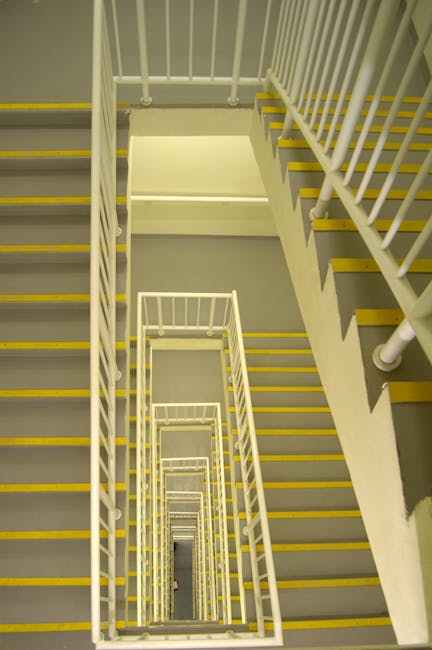
Stair access becomes important when the lift is unavailable, too small, or simply not suitable for a particular item. The shape of the staircase matters more than people expect. A straight run is one thing. A turn at the landing is another. A narrow fire door, low ceiling, or awkward handrail can change how a sofa or bed frame needs to be tilted.
In practice, experienced movers will look at the route and decide whether an item can be carried upright, turned on its side, or dismantled first. If you want to understand why manual handling technique matters so much, the guide on kinetic lifting is a useful companion read. It explains why good posture, balance, and timing are not just theory. They are the difference between a controlled lift and a slightly disastrous wobble.
3. The parking
Parking is often the hidden bottleneck. The van needs to get close enough to the entrance to keep carrying distances sensible, but street space may be limited. If the vehicle has to park too far away, the move slows down and the risk of damage increases because every extra metre adds fatigue. Simple as that.
On a street like St Mark's Crescent, it is worth checking loading restrictions, pay-and-display bays, resident permit areas, single yellow lines, and any local stopping limitations. If you are unsure, plan for a buffer. Better to allow more time than to discover the only safe stopping spot is already occupied by a trades van with the engine still running.
For a move that involves a tight schedule, a removal van in Primrose Hill can make more sense than using a smaller car and trying to improvise. A properly sized van, loaded in the right order, reduces repeat trips and keeps the movement of bulky items more controlled.
Key Benefits and Practical Advantages
When the planning is done properly, the benefits show up in ways you can feel on the day. Less lifting. Fewer delays. Less chance of a scratched wall or bent corner. And yes, less arguing over whether the sofa will "definitely fit if we just angle it a bit more". We have all seen that moment. It is never as convincing as it sounds.
- Faster loading and unloading: good lift and parking planning cuts wasted steps and repeated handling.
- Lower damage risk: clear routes, padding, and measured items reduce knocks and scrapes.
- Better neighbour relations: quieter, tidier, more organised moves are usually better received in shared buildings.
- Less physical strain: predictable access means less awkward lifting and fewer emergency pivots on the stairs.
- More accurate timing: if you know where the van can stop and which route items will take, your schedule becomes more realistic.
There is also a practical cost benefit. A smooth block move tends to reduce the time spent on site, which can help if you are using paid removal support. That is one reason many people choose a local team rather than trying to coordinate everything alone. If you are still weighing up whether you need full help or a lighter arrangement, the page on removal services in Primrose Hill is a useful place to compare the broader options.
A smaller but real benefit: mental calm. A move feels lighter when you are not constantly wondering what the next problem will be. That matters more than people admit.
Who This Is For and When It Makes Sense
This kind of planning makes sense for anyone moving into, out of, or within a block where access is not straightforward. That includes first-time flat tenants, long-term residents downsizing, families moving from upper floors, landlords arranging a turnaround, and students moving in and out at the busy end of term.
It is especially relevant if you have any of the following:
- a lift with limited internal space
- stairs that turn at a landing
- large furniture like a sofa, bed, wardrobe, piano, or freezer
- restricted parking or a busy street outside the building
- shared corridors that need careful protection
- a short booking window for access or elevator use
For students or young professionals with fewer items but less time, a service such as student removals in Primrose Hill can be a neat fit. If you are moving a whole household, house removals in Primrose Hill may be the better match because it gives you more support around larger furniture, staging, and carrying.
In some cases, the move is simple enough that one van load and a couple of careful trips do the job. In other cases, the stairs alone make a standard DIY move feel like a gym session nobody asked for. Truth be told, you only need to carry a sofa up two flights once to understand why planning matters.
Step-by-Step Guidance
Here is the practical way to handle a block move around St Mark's Crescent without turning it into a scramble.
Step 1: Measure everything that could become a problem
Measure the largest pieces of furniture first. Door widths, lift doors, stair turns, landing depth, and the dimensions of tall items all matter. Do not guess. A tape measure is boring, yes, but it is also brutally effective.
If you are moving a bed, mattress, or frame, have a look at bed and mattress relocation advice. Mattress handling is one of those things that looks easy right up until it catches the stair rail.
Step 2: Decide what should be dismantled
Anything that can be safely taken apart should be considered for dismantling, especially bulky furniture. Beds, wardrobes, and some desks move more cleanly in components. Put screws, brackets, and fittings in clearly labelled bags. Put the bags in a box you will not lose. Sounds obvious, but people do lose them. All the time.
If you are relocating sofas, protect the corners and learn how to wrap fabric or leather correctly. The guide on sofa safekeeping and protection offers practical ideas that also work during transport.
Step 3: Clear and prepare the route
Inside the building, remove loose rugs, door wedges, and clutter. Make sure hallways are as open as possible. If you have permission and it is sensible to do so, temporarily protect edges with blankets or padding where items are likely to brush past. It is the little touch points that do the damage.
Outside, think about the parking position. If the van can reverse or stop with the rear doors facing the building, loading becomes much smoother. If it cannot, plan how staff will carry items from the nearest safe stopping point to the entrance. No surprises.
Step 4: Pack in the right order
Start with the items you can easily carry and finish with the larger, more awkward pieces. Keep essential boxes separate. If you need a fuller packing strategy, the article on efficient moving packing is a solid companion. Packing well does not just protect your things; it makes the loading pattern cleaner and less chaotic.
Step 5: Work the lift and stairs safely
Use the lift where it makes sense, but do not force items into it. If the lift door can close only after a careful angle and a bit of breathing room, that is fine. For stairs, use two-person carries for heavier items and make sure one person leads the movement while the other stabilises from behind or below. Small, steady steps. No rushing.
Step 6: Load the van strategically
Load heavy items first, then stack lighter items around them. Keep fragile items protected and obvious. It is tempting to throw everything into the van and hope for the best, but that often creates a messy unload later. A sensible loading pattern helps at both ends of the move.
Step 7: Do one final check before leaving
Walk through the flat. Check cupboards, drawers, bathroom shelves, and behind doors. It is usually the tiny stuff that gets left behind: a charger, a kettle filter, one lonely shoe. There is always one lonely shoe.
Expert Tips for Better Results
These are the small details that quietly improve the whole day.
- Book the lift early if the building requires it. Even a short delay can affect your moving window.
- Use furniture covers and corner protectors. Scratches happen where you least expect them.
- Label by room, not just by item type. "Kitchen fragile" is more helpful than "miscellaneous box 3".
- Keep a clear path for the first load-out. Boxes tend to multiply on the floor if nobody keeps an eye on them.
- Take photos of the parking area in advance. It sounds minor, but it can help settle any confusion on the day.
- Pack a small access kit. Tape, scissors, a marker, wipes, a torch, and gloves can save a surprising amount of time.
If you are dealing with fragile, valuable, or unusually heavy items, use specialist help. A piano, for example, is not just "another heavy thing". It has weight distribution, finish, and handling needs of its own. For that, the dedicated piano removals Primrose Hill page is worth a look, and the article on the risks of moving a piano alone explains why solo handling is usually a bad idea.
One practical tip that often gets overlooked: protect the building, not just the furniture. Hallway corners, lift doors, and stair edges are all likely contact points. Padding them now is cheaper than dealing with a repair later. Obvious, maybe, but the obvious things are usually the ones people skip when the clock is ticking.
Common Mistakes to Avoid
Most block move problems are predictable. That is actually good news, because predictable problems are easier to prevent.
Assuming the lift will be usable for everything
Not all lifts are equal. Some are fine for boxes but too tight for large furniture. Others have weight limits or awkward door shapes. Always measure and confirm. If you can, test the route with the largest item before moving day.
Ignoring the stair geometry
People often remember the number of floors but forget the shape of the stairwell. A sharp turn, a narrow landing, or a low overhang can make a standard carry impossible. Measure the route, not just the steps.
Leaving parking to chance
This is one of the biggest mistakes. If the van cannot stop sensibly, everything else becomes harder. Planning parking is not glamorous. It is just sensible. Especially in London.
Packing boxes too heavy
Heavy boxes are hard enough on flat floors. On stairs, they become a genuine strain. Keep books, tools, and dense items in smaller boxes. Your shoulders will thank you later.
Not protecting shared spaces
Damage to walls, floors, and lift interiors is avoidable far more often than people think. A few blankets and some tape can prevent a lot of awkwardness.
Trying to move the wrong item without help
Some things are just not worth the risk. A piano, oversized wardrobe, or awkward freezer should not be a solo improvisation project. If you need wider support, compare options on furniture removals in Primrose Hill and decide whether the move needs more than basic transport.
Tools, Resources and Recommendations
You do not need a truck full of gadgets, but a few tools make a huge difference.
| Tool or Resource | Why It Helps | Best Used For |
|---|---|---|
| Measuring tape | Confirms lift, stair, and furniture dimensions | Planning access and fit |
| Furniture blankets | Reduces scratches and impact marks | Tables, sofas, wardrobes, lift corners |
| Ratchet straps | Keeps items stable in the van | Heavy furniture, white goods |
| Labels and marker pens | Makes unloading faster and clearer | Room-by-room box organisation |
| Trolley or sack truck | Reduces carrying strain on level ground | Boxes, appliances, stacked items |
| Padding for door frames and corners | Protects shared building surfaces | Lifts, hallways, stairs |
For decluttering before the move, it can help to reduce the load rather than just packing it more neatly. The guide on efficient decluttering before relocation is a good reminder that fewer items usually means less lift time, fewer stair trips, and less parking pressure.
If you are moving a freezer or similar appliance, there is also a practical angle on storage and preparation. See safe freezer storage when idle if the item needs to wait before being placed again. For bulky home items in general, a local storage option in Primrose Hill can sometimes make the timing easier when access dates do not line up neatly.
Law, Compliance, Standards, or Best Practice
For most residential moves, the key issues are best practice rather than complicated legal rules. Still, there are a few sensible standards worth following.
Building rules: Many blocks have their own move policies. These may cover lift bookings, permitted hours, floor protection, and whether movers must use a service lift or a specific entrance. Always check with the building management or landlord in advance.
Parking and road use: Local parking arrangements can change the entire plan. Make sure any stopping or loading activity follows the usual borough rules for the street. If a bay permit, loading exemption, or time restriction applies, do not assume it will be ignored because you are moving. London parking officers have heard every version of "just five minutes" already.
Health and safety: Heavy lifting should be planned, not improvised. Good manual handling practice means breaking down heavy loads, using two-person lifts where needed, wearing suitable footwear, and avoiding twisting while carrying. If you want a deeper look at safe handling, the page on health and safety policy is a sensible place to understand the company's general approach, while the article on heavy lifts done safely is useful context for risky items.
Insurance and care: Even careful moves can involve accidental contact. It is sensible to check what cover is in place and what conditions apply. The insurance and safety page helps set expectations around this. If you are comparing providers, that transparency is a good sign.
Accessibility: A block move can affect residents, visitors, and anyone with mobility needs. Try to keep routes clear, avoid blocking exits, and give others advance notice if access will be limited. If you want to see how a provider approaches accessibility more broadly, the accessibility statement is worth a read.
Options, Methods, or Comparison Table
Not every move needs the same level of support. Here is a simple comparison to help you choose a sensible route.
| Method | Best For | Strengths | Trade-Offs |
|---|---|---|---|
| DIY with a hired van | Small moves, light furniture, flexible timing | Lower direct cost, full control | More physical effort, more risk if access is awkward |
| Man and van | One-bedroom flats, student moves, limited items | Practical, fast, good for short urban moves | Less suitable for highly complex access or large-volume moves |
| Full removals service | Multiple rooms, heavy furniture, awkward stairs | More support, better handling, stronger planning | Usually the most expensive option, though often worth it |
| Specialist furniture removal | Bulky or delicate items, like sofas or pianos | Item-specific expertise and equipment | May need separate coordination for the rest of the move |
The choice often comes down to access. If the lift is small and the stairs are unforgiving, a more supported service can be the calmer route. If the job is light and the parking is manageable, a simpler setup may be enough. One neat compromise is a targeted local service such as same day removals in Primrose Hill for time-sensitive moves, especially when you need flexibility rather than a long booking lead time.
Case Study or Real-World Example
Picture a fairly typical block move at St Mark's Crescent. The resident is moving from a second-floor flat with a small lift, one awkward turn on the stairs, and limited parking outside. They have a sofa, a double bed, a dining table, six boxes of kitchenware, and a few fragile items.
Before move day, the resident checks the lift dimensions, measures the sofa, and confirms that the building allows bookings for the lift between certain hours. A van is arranged to arrive early enough to secure a sensible stopping position. The bed is dismantled in advance, the mattress is wrapped, and the sofa corners are protected. Fragile items are packed separately and labelled clearly.
On the day, the first boxes go down through the lift because they fit easily. The bed frame is carried down in sections. The sofa is angled carefully on the stair turn and protected at the contact points. No one is rushed. No one is sprinting. There is a tiny moment when the sofa looks less cooperative than expected, but because the route was checked first, the team already knows the best turning angle. That saves time and a fair bit of stress.
By the end, the flat is cleared, the building is still tidy, and the van load is stable. The resident is tired, naturally, but not frazzled. That is what a good block move looks like. Not perfect. Just properly planned.
Practical Checklist
Use this checklist a few days before the move, and again on the morning itself.
- Measure the lift door, lift cabin, stairs, and large furniture
- Confirm lift booking rules and move timing with building management
- Check parking restrictions and loading options near St Mark's Crescent
- Decide which items need dismantling
- Wrap sofas, mattresses, and delicate furniture properly
- Label boxes by room and priority
- Keep heavy items in smaller boxes
- Protect corners, door frames, and lift interiors where needed
- Prepare a tool kit with tape, marker, scissors, and wipes
- Keep essentials separate for first-night access
- Walk through every room before leaving
- Make sure the route from flat to van is clear
If you want a calmer move overall, pairing the checklist with a good clean-out helps. A smarter load is a lighter load. The article on staying calm and controlled during a house move is a useful read if you are feeling stretched already.
Conclusion
A successful St Mark's Crescent block move is mostly about respect for the details. Measure the lift. Read the stairs properly. Plan the parking before the van arrives. Protect the building as well as your belongings. And above all, do not leave the hard questions until moving morning, because that is when they become expensive little surprises.
With the right preparation, a block move can feel orderly and surprisingly manageable. That does not mean easy. Let's be honest, moving is still moving. But it does mean calmer, safer, and much less chaotic. If your flat has tricky access, bulky furniture, or a tight parking situation, it is usually worth bringing in help that knows local conditions and can handle the awkward bits without fuss.
Get a free quote today and see how much you can save.
For a move that feels controlled rather than rushed, speak to a local team that understands Primrose Hill blocks, street parking, and the small details that make a big difference. Sometimes that little bit of foresight is the thing that saves the whole day.