Regent's Park Road moving access guide for Primrose Hill
Posted on 26/05/2026
Moving in Primrose Hill can be straightforward on paper and fiddly in real life. Regent's Park Road is one of those streets where timing, kerb space, building access, and vehicle choice can make the difference between a smooth move and a frustrating one. This Regent's Park Road moving access guide for Primrose Hill explains what matters, how to plan properly, and how to avoid the common problems that catch people out at the last minute.
Whether you are moving into a flat above a shop, leaving a townhouse, or arranging a one-off delivery with a van, the same principles apply: know the access, protect the items, reduce loading time, and keep everyone safe. The good news? A little planning goes a long way. And unlike some moving tasks, access planning does not require muscle. Just attention.
If you are also preparing the rest of the move, it can help to read practical support on efficient packing, decluttering before relocation, and keeping a house move calm and controlled. Those steps make access planning much easier because fewer items, fewer trips, and fewer surprises usually mean a better move.
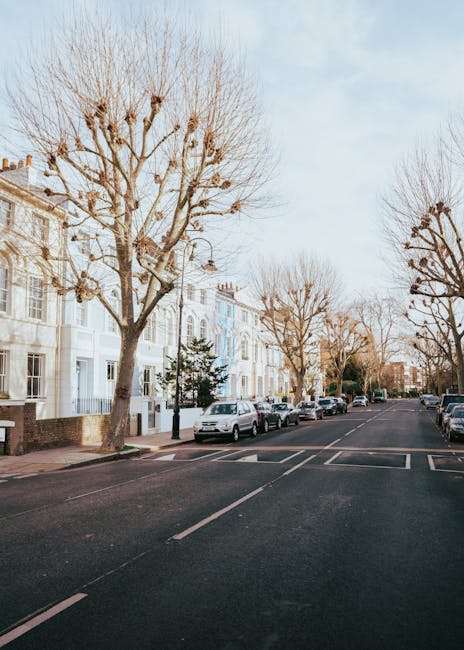
Why Regent's Park Road moving access guide for Primrose Hill Matters
Access is often the hidden variable in a move. Boxes can be packed, furniture can be wrapped, and a van can be booked, but if the vehicle cannot stop close enough to the entrance, the move becomes slower, riskier, and more expensive in effort. Regent's Park Road sits in a busy, characterful part of Primrose Hill, so the practical realities of road width, traffic flow, pedestrians, neighbours, and building entrances all matter.
For residents, the biggest challenge is usually not the lifting itself. It is the handover between the property and the vehicle. Is there somewhere safe to pause? Can a larger removal van pull in, or would a smaller vehicle be more sensible? Are there steps, a narrow hallway, or a basement flat to navigate? These are the details that decide whether the day feels organised or chaotic.
It also matters because access problems tend to cascade. A blocked doorway slows loading. Slow loading means longer parking time. Longer parking time can create stress with neighbours or building management. In a dense residential area, that domino effect is worth avoiding.
Practical takeaway: the best moving day is rarely the one with the biggest van; it is the one with the clearest access plan.
If your move involves furniture that is awkward, fragile, or valuable, the access plan becomes even more important. That is especially true for larger items such as wardrobes, sofas, beds, or instruments. In those cases, services such as furniture removals in Primrose Hill or specialist piano removals may be a far better fit than trying to improvise on the day.
How Regent's Park Road moving access guide for Primrose Hill Works
The idea behind an access guide is simple: map the move before the van arrives. In practice, that means understanding the route from the property to the vehicle and identifying where time, space, or safety could be lost. Think of it as a small logistics plan for one street and one property, not a grand transportation strategy.
A useful access review usually covers five things:
- Kerbside stopping point: where the vehicle can safely pause for loading or unloading.
- Property approach: the distance from the front door or lobby to the vehicle.
- Building obstacles: stairs, tight turns, lifts, door widths, or intercom delays.
- Vehicle suitability: whether a compact van, medium van, or larger removal vehicle makes sense.
- Timing constraints: school runs, peak traffic, neighbour access, and building rules.
Most good moves in this area are based on matching the vehicle to the access, not the other way round. A smaller van with multiple careful trips can be more effective than one oversized vehicle that struggles to park properly. For many local moves, a man with a van in Primrose Hill or a flexible man and van service is exactly the kind of practical middle ground that works.
Another important point: access is not just a location issue, it is a handling issue. If your items are packed badly, even excellent access will not save time. That is why local move planning often pairs well with packing and boxes in Primrose Hill, because sturdy packing reduces stop-start delays during carrying and stacking.
Key Benefits and Practical Advantages
A proper access plan does more than save a few minutes. It improves the whole experience in ways people notice quickly.
1. Less lifting over longer distances
The shorter the carry, the lower the strain. That matters for your back, your belongings, and the speed of the move. Even a few extra metres between the front door and the van can add up when you are carrying a stack of boxes or a heavy sideboard.
2. Lower risk of damage
Narrow hallways, sharp corners, and hurried turns are where furniture gets scuffed. A route that is measured and clear helps protect walls, banisters, door frames, and the item itself. For larger pieces, it is sensible to think through how they will turn, tilt, and clear obstacles. If you are moving a bed, the practical advice in bed and mattress relocation can be very useful.
3. Better time control
Moves unravel when nobody knows where the vehicle can stop or how long each load will take. With access mapped in advance, you can schedule helpers, estimate trips more accurately, and reduce downtime. That makes same-day moves and tightly timed handovers much easier to handle.
4. Less conflict with the street environment
Primrose Hill is a residential area, and the street environment matters. Keeping the loading process tidy and efficient shows consideration for neighbours, passers-by, and other road users. That is not just polite; it is smart moving practice.
5. A better fit for the right removal service
Once you know the access limitations, it becomes easier to choose the right support. A small flat with limited roadside stopping may suit flat removals or a smaller vehicle, while a full family home may call for house removals with more capacity and planning.
Who This Is For and When It Makes Sense
This guide is useful for anyone moving to, from, or within Primrose Hill, but it is especially relevant if your property sits near Regent's Park Road and your move depends on street access. In real terms, that includes:
- people moving into upper-floor flats with tight stair access
- households leaving period properties with narrow internal routes
- students moving with limited possessions but awkward bags or boxes
- office teams relocating equipment in a constrained window
- anyone with bulky furniture, fragile items, or a short loading window
If your move is small and simple, access planning may only take a few minutes. If it is larger or time-sensitive, it should be part of the booking conversation from the start. That is particularly true for student removals in Primrose Hill, where belongings are often mixed: a few boxes, a desk, a mattress, and one chair that always ends up being heavier than it looks.
It also makes sense for businesses. For office removals, access planning helps avoid delays around desks, IT kit, stock, and building entry procedures. The principle is the same: know the constraints early, and the day runs more smoothly.
Step-by-Step Guidance
Here is a practical way to plan access without overcomplicating it.
Step 1: Walk the route from door to vehicle
Do a real walk-through if possible. Start at the front door, gate, or lobby and follow the exact path to where the van should stop. Look for steps, tight turns, low walls, uneven pavement, and anything that could slow carrying. If you can, time the walk once with an empty hand and once while imagining you are carrying a box. The difference is often revealing.
Step 2: Measure the awkward points
Check door widths, stair landings, lift dimensions, and any corners that could create a pinch point. This is especially important for flat-pack furniture, mattresses, wardrobes, and pianos. A quick measurement can prevent a failed attempt and a lot of lifting that has to be undone.
Step 3: Decide what should be dismantled
Some items are simply easier and safer when broken down in advance. Beds, certain tables, and shelving often benefit from early disassembly. If you are unsure what is worth dismantling, compare the effort involved with the time saved. In many cases, a little screwdriver work saves a lot of swearing later.
Step 4: Choose the right vehicle size
Do not default to the largest van you can get. On busy streets, manoeuvrability can matter more than sheer capacity. A vehicle that can stop close to the property, load safely, and leave without hassle may be the better choice. If you are undecided, a local removal van service in Primrose Hill can help match the vehicle to the job.
Step 5: Sequence the loading order
Load in a logical order. Heavier and sturdier items usually go in first, with delicate items secured after. Keep essentials handy if they need to be removed quickly at the destination. If a freezer, sofa, or bed frame needs special handling, plan that first rather than making it an afterthought. For example, the guidance on storing a freezer safely when idle is helpful if you are temporarily moving appliances into storage.
Step 6: Build in buffer time
Access rarely goes exactly to plan. A neighbour may be parked where you expected to stop, a lift may be in use, or a box may need repacking. A sensible buffer gives you room to stay calm and avoid rushed handling. If you have ever watched a carefully taped box split open at the worst possible moment, you will appreciate this one.
Expert Tips for Better Results
These are the details that make a real difference on moving day.
- Prioritise kerbside closeness over theoretical capacity. A smaller van parked properly often wins over a large one that blocks movement or cannot position safely.
- Protect the route inside the property. Use blankets, corner protectors, or floor covering where needed, especially in hallways and entrance areas.
- Label boxes by room and priority. Access problems are easier to manage when unloading is structured from the start.
- Keep one person focused on access communication. It helps to have someone who watches the vehicle, the route, and the door so the rest of the team can keep moving.
- Break down fragile or oversized items early. If you have a sofa or mattress, check best practice before moving day. The article on sofa safekeeping is a good reference for keeping soft furnishings in better condition.
- Use professional lifting technique, not bravado. Correct posture and coordinated movement matter more than trying to be heroic. For a deeper look at safe handling, see the dynamics of kinetic lifting and safe ways to handle heavy lifts alone.
A useful rule of thumb: if the access feels awkward in daylight, it will feel worse when everyone is tired and the clock is ticking.

Common Mistakes to Avoid
Most access headaches are preventable. The problem is that they are easy to ignore during booking.
Assuming the van can stop wherever you need
This is the classic mistake. A road may look wide enough in person but still be difficult for loading because of parked cars, traffic flow, junction proximity, or local constraints. Always plan for the actual stopping point, not the ideal one.
Forgetting about the final ten metres
People often worry about the long distance between homes and forget the final push: stairs, doorway turns, thresholds, and tight corridors. Those are the spots where damage and fatigue usually happen.
Booking the wrong vehicle type
If you are moving from a compact flat, a giant truck may be awkward and unnecessary. If you are moving a substantial household, too small a vehicle can mean extra journeys. Both errors cost time.
Leaving packing until the last minute
Poor packing slows access. Loose lids, weak boxes, and overfilled bags all make carrying harder. For a cleaner approach, the guide to efficient moving packing is worth following.
Ignoring awkward items
Pianos, mattresses, appliances, and antique furniture need more thought than a stack of clothes boxes. If you are moving any of these, plan them individually instead of lumping them into the general load.
Not checking what happens after unloading
Access is not only about departure. Think about where boxes will go at the destination, whether there is lift access, and whether the receiving property has a clean route. If storage is part of the plan, review storage options in Primrose Hill before moving day.
Tools, Resources and Recommendations
You do not need specialist equipment for every move, but the right basic kit makes access work far easier.
| Tool or resource | What it helps with | When to use it |
|---|---|---|
| Measuring tape | Checking doorways, lifts, and stair clearances | Before booking and before moving bulky items |
| Furniture blankets | Preventing scratches and scuffs | For sofas, tables, wardrobes, and frames |
| Straps and ties | Keeping items stable in the van | During loading and transit |
| Floor protection | Reducing wear on entrances and hallways | For flats, maisonettes, and office buildings |
| Labels and marker pens | Speeding up unloading and room placement | Before the first box is carried out |
| Professional moving support | Matching access challenges to the right transport and handling | For tight streets, larger homes, or time-sensitive moves |
For readers comparing service levels, the broader services overview is useful, especially if you want to see how transport, loading help, and planning can be combined. If budget and scope matter, the pricing and quotes page is a sensible next step for understanding how estimates are typically handled.
Some customers also appreciate the reassurance of clearer company information. Pages like about us, insurance and safety, and health and safety policy help build confidence before a booking is made.
Law, Compliance, Standards, or Best Practice
For a local move like this, you usually do not need to interpret complicated regulations yourself, but you should still follow good practice. In the UK, movers and customers generally need to think about safe loading, reasonable parking behaviour, and protecting people and property during handling. That means avoiding blocked pavements, keeping routes clear, and not forcing lifts that are clearly unsafe.
Where a building, estate, or managed property has its own rules, those should be respected too. Some blocks require advance notice, some have loading bays, and some have very specific delivery windows. Always check with building management if you are unsure. If you are arranging a business move, internal access procedures may be even more important because office buildings often have stricter entry controls.
Best practice also includes correct lifting, suitable equipment, and honest communication about the size and nature of items. If something is too heavy, too valuable, or too awkward for a standard carry, it is better to say so early. That is not overcautious; it is professional.
On the customer side, it helps to review the practical terms of service, payment handling, and complaint routes before committing. Useful reference pages include payment and security, terms and conditions, complaints procedure, and accessibility statement. That kind of due diligence is boring in the best possible way.
Options, Methods, or Comparison Table
Different moves call for different approaches. Here is a simple comparison to help you decide what suits your situation.
| Method | Best for | Strengths | Limitations |
|---|---|---|---|
| Small man and van | Studio flats, student moves, lighter loads | Maneuverable, often well suited to tight access | Limited capacity for large household moves |
| Medium removal van | 1-3 bed homes, mixed furniture and boxes | Good balance of capacity and access flexibility | May still struggle on especially tight roads |
| Full removal service | Large homes, complex loads, multiple bulky items | More help, more structure, better for heavy items | Usually less minimal than a simple vehicle-only option |
| Staged move with storage | Flexible dates or renovations | Reduces pressure on the move day | Requires more planning and coordination |
In practice, the best choice depends on access, not just volume. A modest flat move with difficult stairs may need more care than a larger property with easy frontage. If you are comparing options, a local removal service in Primrose Hill can help balance access, item type, and timing in a way that suits the street and the property.
Case Study or Real-World Example
Consider a typical Primrose Hill flat move from a second-floor apartment off Regent's Park Road. The property has a narrow stairwell, a double mattress, a sofa, several boxes, and a small dining table. The initial assumption is that a large van would be quickest. In reality, parking access is limited and the staircase has a tight turn halfway up.
The better approach is to use a medium-sized vehicle that can stop close enough to the entrance, strip the bed frame down in advance, and wrap the sofa corners before moving. Boxes are grouped by room, the heaviest items are loaded first, and the final walk-through confirms nothing is left in cupboards or behind doors.
What changed the outcome was not brute force. It was sequencing.
That same logic applies in more complex moves, especially if the household includes a fragile or high-value item. A piano, for example, may need its own access assessment. The risks of doing that solo are explained clearly in this guide to moving a piano safely. The lesson is simple: specialist items deserve specialist thinking, even on a local street.
Another common real-world example is a same-day or short-notice move. In that situation, access planning needs to be faster but not weaker. A quick check of the route, vehicle size, and item list can still prevent most of the headaches. If timing is tight, same-day removals in Primrose Hill may be the practical route forward.
Practical Checklist
Use this checklist before the van arrives.
- Confirm the exact property address and entrance point
- Check whether roadside stopping is realistic and safe
- Measure doorways, stair turns, and lift access where relevant
- Decide which furniture should be dismantled in advance
- Pack boxes securely and label them by room
- Protect fragile items and mark them clearly
- Prepare floor and wall protection if needed
- Choose the right vehicle size for the access available
- Set a realistic time window with buffer for delays
- Tell the moving team about anything awkward: tight stairs, basement storage, heavy appliances, or unusual entry procedures
- Check whether any items need storage or separate transport
- Keep essentials, keys, and paperwork easy to reach
If you are moving a full household, you may also want to review pre-move cleaning steps so the property is ready for handover once the van is loaded.
Small checklist. Big difference.
Conclusion
A good move on Regent's Park Road is not about guessing, improvising, or hoping the van can squeeze in. It is about planning access properly, choosing a vehicle that suits the street, and preparing the items so they move safely and efficiently. That is what turns a stressful day into a manageable one.
If you remember only one thing from this guide, make it this: the route matters as much as the load. Once you understand the access, everything else becomes easier to organise. And if your move involves bulky furniture, tight stairs, or a last-minute deadline, bringing in the right help is often the most efficient decision you can make.
Get a free quote today and see how much you can save.
For anyone comparing next steps, you may find it helpful to review the wider removals in Primrose Hill page, or choose a more specific service such as removal companies in Primrose Hill if you want to compare support options. Either way, the earlier you plan access, the calmer moving day tends to feel.