Bulky furniture on Victorian stairs in NW3: safe tactics
Posted on 06/05/2026
Bulky furniture on Victorian stairs in NW3: safe tactics for moving without damage
Victorian staircases are charming right up until you need to carry a sofa, wardrobe, or bed frame up them. In NW3, where many homes have narrow turns, steep rises, and tight landings, bulky furniture on Victorian stairs can quickly turn into a very awkward job. One scrape on the banister, one awkward pivot, and suddenly the whole move feels like a small disaster in slow motion.
This guide breaks down Bulky furniture on Victorian stairs in NW3: safe tactics in plain English. You'll learn how to judge the staircase, prepare the furniture, choose safer lifting methods, and decide when it makes more sense to call in professional help. The aim is simple: protect people, protect the property, and get the job done with less stress. Truth be told, that is half the battle in London moves.
For broader moving prep, you may also find it useful to read about efficient packing for moving day, decluttering before relocation, and staying calm and controlled during a house move.
- Jump to the most useful section if you're in a hurry.
- Keep this open while you plan the lift.
- And if a staircase looks truly unforgiving, don't force it. There's always a smarter route.

Why Bulky furniture on Victorian stairs in NW3: safe tactics Matters
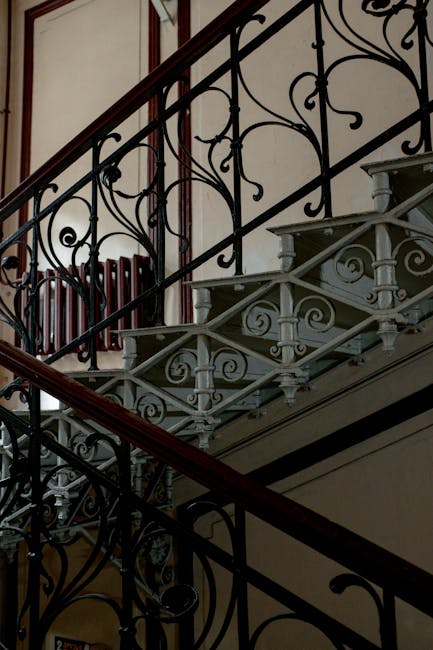
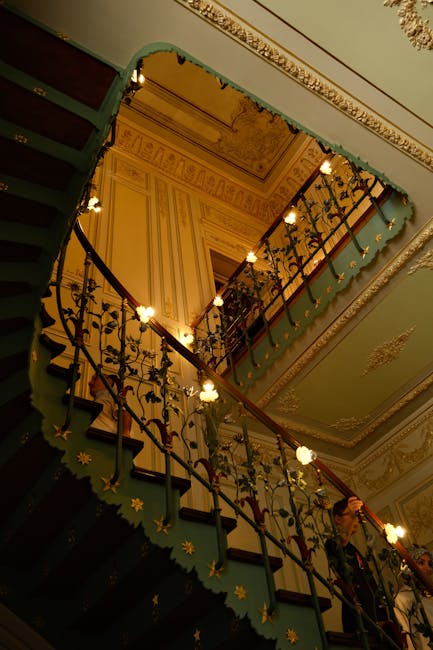
Victorian staircases are rarely built for today's oversized furniture. They often have tighter angles, narrower widths, and less forgiving handrails than newer homes. In NW3, that matters because many properties combine period character with modern furniture sizes. The result is a common mismatch: a large sofa or heavy wardrobe meets a staircase that seems to have been designed for grace, not logistics.
The risk is not only to the furniture. Strained backs, trapped fingers, chipped walls, cracked plaster, and damaged banisters are all realistic outcomes when people rush. Even a short lift can go wrong if the item twists halfway through a turn. And let's face it, once the item starts slipping, nobody looks calm for long.
Using safe tactics is about planning the movement, not just reacting to it. That means checking the staircase dimensions, stripping furniture down where possible, protecting surfaces, and deciding whether the item should be moved vertically, horizontally, or not through the staircase at all. A good plan saves time later, which sounds obvious, but in a tight Victorian hallway it can be the difference between a controlled move and a scramble.
This also links naturally to other parts of the move. Furniture often needs careful wrapping, route planning, and sometimes temporary storage. If that sounds familiar, the guides on bed and mattress relocation, sofa care and safekeeping, and storage in Primrose Hill can help with the wider picture.
How Bulky furniture on Victorian stairs in NW3: safe tactics Works
The basic method is simple: measure, prepare, protect, lift, pivot, and place. But the real value is in how each step is handled. Heavy furniture is easier to manage when it is made lighter, smaller, or more predictable before it touches the stairs.
Start by checking whether the item can be dismantled. A bed frame, wardrobe, dining table, or shelving unit often becomes much easier to move once legs, doors, shelves, or detachable panels are removed. Packaging and fixings should be kept together in labelled bags. If you've ever unpacked a "small bolts" pouch only to find it contains the wrong screws for three different jobs, you'll know why that matters.
Next, assess the staircase itself. Look for low ceilings, turning points, narrow treads, loose carpet edges, and anything that reduces grip. Victorian stairs can be beautiful, but they can also be unforgiving. A staircase with a tight half-landing may require the furniture to be tilted in a very specific way so it clears the wall on one side while avoiding the banister on the other.
Then comes the movement strategy. Sometimes the safest approach is to have one person at the top guiding and one at the bottom lifting, with clear commands agreed in advance. Sometimes a third helper is needed to control the corner or watch the walls. For especially awkward or heavy items, a professional team may use furniture straps, sliders, and protective blankets to keep the item stable and reduce friction.
If you want more context on body mechanics and safer lifting, the posts on heavy lifts alone with safety and kinetic lifting principles are useful background reading.
Key Benefits and Practical Advantages
Safe tactics are not just about avoiding accidents. They also make the entire move smoother, quicker, and less exhausting. When a bulky item fits the route properly and everyone knows what to do, the whole staircase feels less like an obstacle and more like a manageable part of the job.
- Less damage to the property: Walls, bannisters, paintwork, and flooring stay protected.
- Lower injury risk: Controlled lifting reduces the chance of strains, slips, and sudden jolts.
- Better furniture preservation: Joints, corners, upholstery, and finishes are less likely to be scraped or bent.
- Faster decision-making: You know early if the staircase route is workable or if an alternative is needed.
- Less emotional stress: That may sound minor, but moving day pressure stacks up fast.
There's also a financial upside. One badly timed knock can create avoidable repair costs or force you to replace item parts that could have lasted much longer. In many cases, a few extra minutes of planning saves far more time than a rushed retry would. That's the kind of practical maths worth paying attention to.
For many households, the smartest advantage is simple: confidence. Once you have a method, the staircase stops feeling like a mystery. You can make decisions with a clear head instead of improvising halfway through the lift.
Who This Is For and When It Makes Sense
This guidance is for anyone moving bulky household furniture in NW3, especially in period properties with Victorian stairs. It is particularly relevant if you live in a flat conversion, a terraced house with compact access, or a home where the stairwell turns sharply at the landing.
You may need these tactics if you are moving:
- large sofas or corner sofas
- double beds, king-size bed frames, and mattresses
- wardrobes and chest of drawers
- bookcases and shelving units
- desks, dining tables, and office furniture
- pianos or other unusually heavy items
It also makes sense if you are deciding between doing the move yourself and booking help. If the item is heavy but straightforward, and the staircase is broad enough, a careful DIY approach may be fine. If the item is large, awkward, and difficult to grip, then the safer option is usually to bring in experienced movers. For larger household jobs, house removals in Primrose Hill and furniture removals support are worth considering.
This is also especially relevant for people moving on a tight timetable. If you are working around tenancy deadlines, school runs, or a same-week handover, there may simply not be enough room for trial and error. A clear plan is much kinder than a last-minute panic. Nobody needs that at 7.30 a.m. with a wardrobe wedged halfway round a turn.
Step-by-Step Guidance
Here is a practical, safest-first process for bulky furniture on Victorian stairs in NW3. Keep the order. It matters more than people think.
- Measure the item and the staircase. Check width, height, depth, and landing space. Don't forget handrails and any light fittings or overhangs.
- Clear the route completely. Remove shoes, mats, pictures, loose objects, and anything that could trip someone. Open doors fully if they narrow the path.
- Protect the staircase. Use blankets, corner guards, cardboard, or padded covers where the furniture may touch the wall or banister.
- Disassemble what you can. Take off legs, doors, shelves, cushions, and loose fittings. Wrap smaller parts together and label them clearly.
- Assign roles before lifting. One person should lead the route, another should support the weight, and everyone should use the same commands.
- Test the turning points. Before committing to the full lift, check whether the item can rotate on the landing or needs to be angled differently.
- Lift with short, controlled movements. Avoid jerky heaves. Move slowly enough that the furniture stays balanced and predictable.
- Pause before each corner. A micro-pause is not wasted time; it's where bad angles get corrected.
- Use the right grip. Keep hands away from pinch points and use lifting straps if suitable. Fingers should never be in the path of a closing turn.
- Stop if the route stops making sense. If the item is grinding the wall, threatening the banister, or causing a strain, back out and rethink it.
A small but helpful detail: take a breath before the first lift. It sounds almost too simple, but it settles the team and reduces rushed movement. That little pause can change the whole tone of the job.
If the furniture is part of a larger move, planning the packing and sequencing matters too. The article on moving packing methods is useful if you want to reduce clutter before the big pieces go in and out.
Expert Tips for Better Results
Here's where the small details earn their keep. These are the kinds of things that make a move feel controlled rather than merely survivable.
1. Move the widest end first, unless the route says otherwise
For some items, leading with the widest end gives better visibility and better angle control. For others, it creates a snag at the landing. There is no one-size-fits-all answer, which is a bit annoying, but true. Test the angle with the item held close to the staircase before the full lift begins.
2. Use soft protection before hard protection
Blankets and padded covers are often better than hard edges alone, because they absorb friction. Cardboard is useful, but it can shift. A combination of blankets and tape-secured protection usually works best on decorative stair rails and painted walls.
3. Watch the centre of gravity
With wardrobes, armchairs, and sofas, the centre of gravity can change when doors or cushions shift. If the weight starts feeling "wrong," stop and rebalance it. People often ignore that feeling for too long. Don't.
4. Keep voices short and clear
Use simple commands like "stop," "lift," "down," and "turn." Long instructions get lost on stairs. A clear call at the right moment is worth more than a polite paragraph while you're halfway round the bend.
5. Build in a landing plan
Victorian landings can be tiny. Decide beforehand where the item will rest if you need to reset your grip. If everyone is deciding in the moment, the landing becomes a bottleneck very quickly.
6. Don't underestimate fatigue
Fatigue makes heavy objects feel even heavier. If the lift is taking longer than expected, swap roles or rest before the next attempt. A tired lift is a sloppy lift, and then the margin for error disappears.
For delicate or unusually heavy items, such as uprights and antiques, the caution level should be even higher. You can see why professional crews often keep specialist techniques for these jobs, especially in homes with awkward stair geometry. The guide on moving pianos alone explains that risk well.
Common Mistakes to Avoid
Most stair-moving problems come from a few repeat errors. Once you know them, they become easier to avoid.
- Skipping measurements: Guessing is the fastest way to get stuck on a landing.
- Forcing a bad angle: If the furniture is scraping both sides, the route is wrong.
- Using too few people: "We'll manage" can be optimistic, but it is not always realistic.
- Leaving the route cluttered: Even one shoe or box can create a trip hazard.
- Not protecting walls and corners: Victorian plaster and paint are easily marked.
- Trying to rush the final turn: The landing is often where the damage happens.
- Ignoring a bad grip: If your hands are slipping, pause and reset.
One more subtle mistake: not agreeing what "stop" means before the lift starts. Everyone should know that when somebody calls it, the team freezes. No debate, no "just a bit further." That little rule saves a surprising amount of chaos.
And yes, one person always says, "It'll be fine." Sometimes it is. Sometimes it absolutely is not.
Tools, Resources and Recommendations
You do not need a warehouse full of equipment, but the right tools make a big difference. For most stair moves, a practical kit includes:
- moving blankets or thick furniture covers
- packing tape and labelled bags for fixings
- furniture sliders for flat surfaces
- lifting straps for suitable items
- work gloves with a decent grip
- cardboard corner protection
- protective floor coverings for narrow hallways
Some homes benefit from a measured, modular approach: remove the furniture, wrap components separately, carry the light pieces first, then bring in the heavier frame parts. If that sounds like a lot of faff, well, it is a bit. But the payoff is much less damage and fewer awkward resets.
It can also help to pair your move with a few practical prep guides. The articles on pre-move cleaning, de-cluttering before relocation, and keeping the move calm and controlled all support the same goal: reduce friction before the heavy lifting begins.
If you want a service-level route rather than a DIY route, it may be worth reviewing removal services in Primrose Hill, man with a van support, or a suitable removal van depending on how much you need moved.
Law, Compliance, Standards, or Best Practice
For household furniture moves, there is usually no special legal threshold that tells you exactly when a staircase lift becomes "too much." Instead, the sensible benchmark is general safety best practice: don't attempt a lift that risks injury, damage, or loss of control.
In the UK, employers and professional movers must take health and safety seriously, which is why reputable removal teams use risk-aware procedures, training, and suitable equipment. If you are booking help, it is reasonable to ask about insurance, handling methods, and whether the team is comfortable with awkward access. That is not being picky. It is just sensible.
For private homeowners and tenants, the same principle applies. You should avoid unsafe manual handling, protect communal spaces where needed, and check any building rules that apply to flats or shared entrances. In a Victorian property, one narrow stairwell may be shared with neighbours, so being considerate is part of the process too.
Best practice also means knowing when to stop. If the route involves repeated strain, loss of footing, or a furniture piece that simply does not fit cleanly, reassess the plan. There is no prize for stubbornness here.
Options, Methods, or Comparison Table
Different furniture and stair layouts call for different approaches. This simple comparison can help you decide what makes sense before anyone starts lifting.
| Method | Best for | Pros | Limitations |
|---|---|---|---|
| Careful DIY lift | Smaller bulky items, straightforward stairs | Low cost, flexible timing | Higher risk if the route is tight or the item is heavy |
| Two-person coordinated carry | Sofas, beds, medium wardrobes | Better control, safer turning | Needs clear communication and some experience |
| Three-person support | Large landings, awkward corners, heavier pieces | Improves stability and wall protection | Requires more space and coordination |
| Professional removal team | Pianos, antiques, oversized wardrobes, difficult access | Efficient, safer, less physical strain | Higher upfront cost |
The best choice is rarely the cheapest one on paper. If your staircase is awkward enough that the item needs to be twisted and re-angled several times, professional help often becomes the sensible route. The same goes for heavier household pieces and time-sensitive moves, especially if you're already managing a full property change or office transition. For those situations, removals in Primrose Hill, flat removals, or even same-day removal support may fit better.
Case Study or Real-World Example
Picture a typical NW3 flat conversion on a rainy Thursday afternoon. A couple are moving a three-seater sofa up a Victorian staircase with a tight bend halfway up. The sofa looks manageable from the hallway, but once they reach the turn, it becomes obvious the back corner keeps catching the wall.
Instead of forcing it, they pause, strip the cushions, wrap the arms, and rotate the sofa vertically for the corner. One person guides from above, one supports the base, and a third watches the banister. They make the turn slowly, with a short reset on the landing, and the sofa reaches the first floor without a single scuff. Nothing dramatic. No heroics. Just good judgment.
Now compare that with the common mistake version: two people, no protection, no plan for the landing, and a rush to "just get it done." That version often ends with a scrape, a strained shoulder, and a badly disguised argument in the hallway. To be fair, that's not a rare outcome.
The lesson is simple. Most staircase jobs are won before the lift starts. Measurements, preparation, and good communication do the heavy lifting in the background.
Practical Checklist
Use this before moving bulky furniture on Victorian stairs in NW3:
- Measure the furniture and the staircase.
- Check for tight turns, low ceilings, and narrow landings.
- Clear the hallway and stairs fully.
- Protect walls, banisters, corners, and flooring.
- Remove detachable parts and bag fixings.
- Agree simple commands with everyone involved.
- Choose the best angle before lifting.
- Use gloves, straps, or sliders if suitable.
- Pause at each turn and reset if needed.
- Stop if the item feels unsafe to move.
Expert summary: The safest way to move bulky furniture on Victorian stairs is to reduce the size of the load, protect the route, control the angle, and avoid forcing the lift. If any part of the plan feels uncertain, slow down and rethink it before damage or injury happens.
Conclusion
Bulky furniture and Victorian stairs are a tricky combination, especially in NW3 where period layouts and modern furniture sizes often collide. But the job becomes far more manageable when you approach it with a calm plan, the right tools, and a realistic view of the staircase in front of you.
Measure carefully. Protect the route. Break the furniture down where possible. And if an item feels too awkward, too heavy, or too risky, that is not a failure - it is a smart decision. The safest move is usually the one that never needed a repair afterwards.
If you want support with awkward access, careful handling, or a move that needs a more experienced hand, it makes sense to explore the service options and get a clear quote early.
Get a free quote today and see how much you can save.
Sometimes the best move is simply the one that leaves the staircase, the furniture, and your back all in one piece.